
Sectors
Training First
Training First sets the handling standard before beef, offal, or packed protein reaches your counter or kitchen. It is built for teams that need the basics fixed in working conditions, from receiving bays to cold rooms and prep benches.
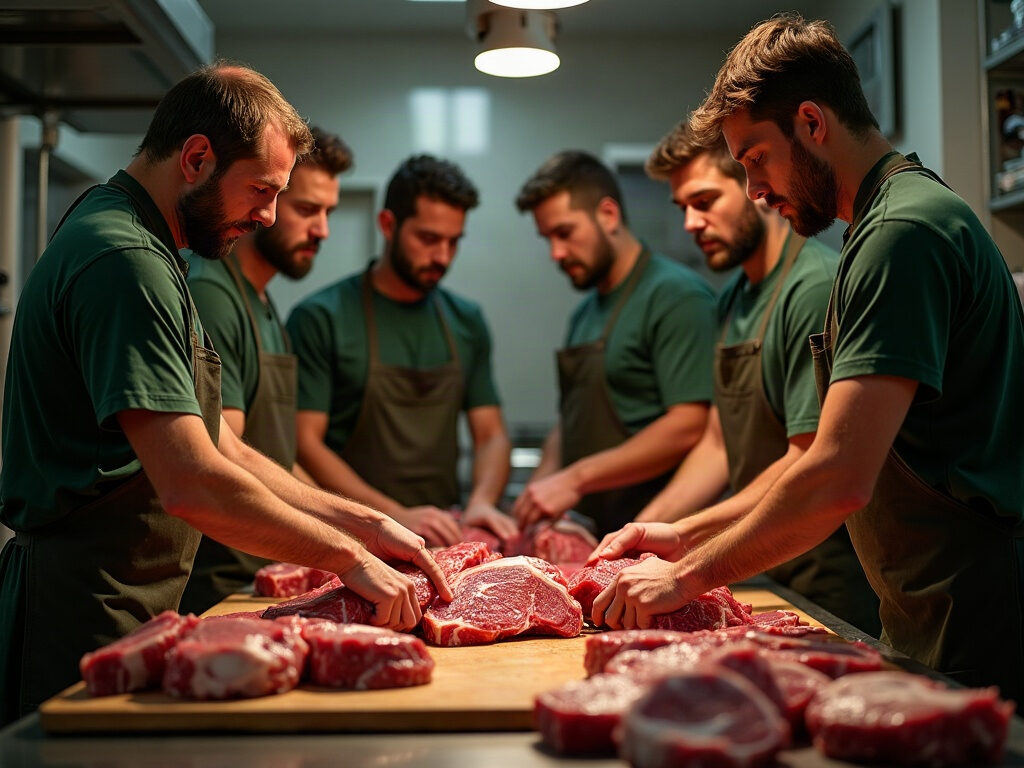
Cold-room habits before service
Training First sets the basics before product starts moving through your team. It covers cut handling, cold-room discipline, labelling, and receiving checks for South African butcher counters, hotel kitchens, and export prep sites.
The programme starts with your actual line of trade, whether that is a South African butcher counter, a hotel breakfast kitchen, or an export prep site. Sessions cover receiving times, storage layout, label reading, and handover points that are affected by inland heat, coastal moisture, and power interruptions.
Staff are shown what to check the moment product arrives, including pack condition, dates, temperatures, and cut identity. A simple handling guide can stay in the cold room so the same checks are followed on busy mornings, late deliveries, and handover between shifts.
What the team takes back
Training First leaves your team with working checklists, clear cut names, and a receiving routine that suits the site you run. Instead of loose instructions, the focus stays on labelling, storage order, and prep discipline that can be repeated during normal trade.
Use Training First before adding new lines or widening output across departments. Keep the final checks close to dispatch, then use the contact form to describe your benches, cold-room space and receiving area.
- Receiving checks for daily handover
- Label, date, and temperature review
Site conditions that affect handling
The training accounts for OR Tambo export movements, regional delivery cut-offs, and prep rooms that were not built for perfect traffic flow. It also suits operations that are trading steadily and need staff aligned on checks, storage discipline, and product movement rather than broad induction material.
Humidity along the coast can shorten the gap between receiving and proper storage if discipline slips. Inland sites often deal with dust, hot loading zones, and power cuts, so portioning, packing, and label control need to be timed with more care.
Operated by Astros Marketing (Pty) Ltd from 2 Makro Place, Sunnyrock 1401.
Training First briefing points
Built around cut handling, labels, and receiving control.
Keep the stock record, delivery note, and product specification together for the same consignment. When a chef, butcher manager, or export checker asks for backup, the paperwork should match what is in the cold room and on the pack.
What our Pasture-Raised Beef customers say
Verified Google reviews