
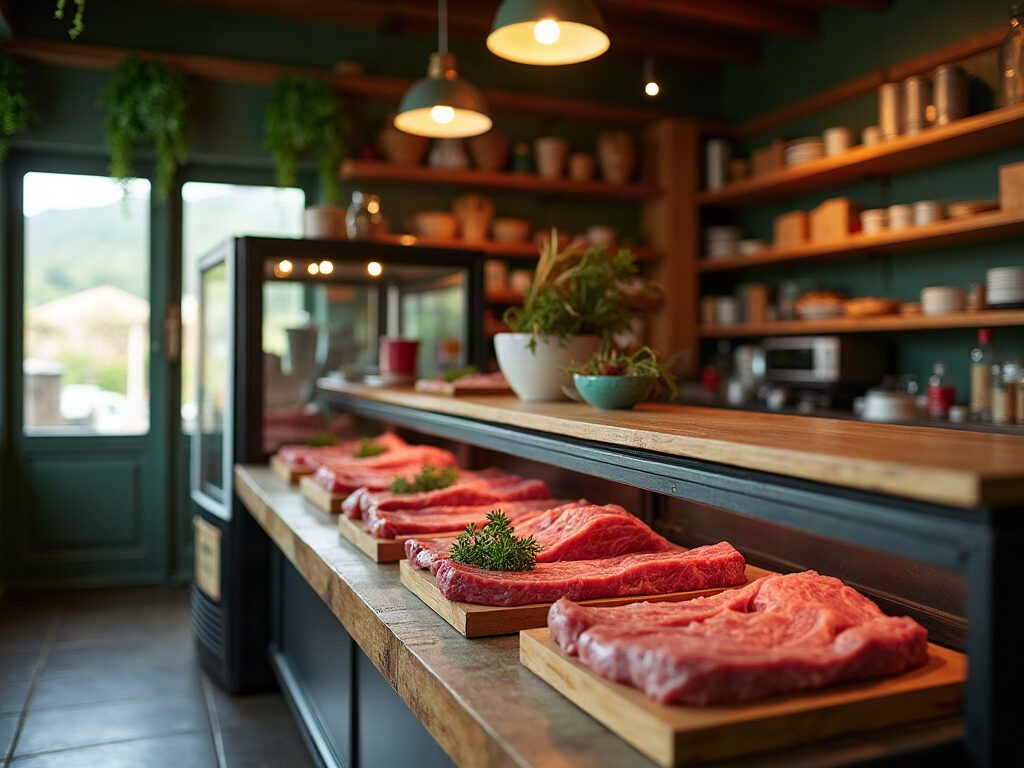
Opening range and receiving plan
Starter Floor is for buyers who have moved past tasting notes and need the first supply setup to make sense on the block, in the cold room, and at receiving. We map the opening range, crate flow, and handling points for butcher shops, hotels, and export kitchens taking on pasture-led beef.
The work starts with the opening basket of cuts, expected case sizes, and how product will move from truck to cold room. Johannesburg traffic, Durban moisture, Cape Town service patterns, and regional delivery gaps each change the brief in different ways. For butcher shops, hotels, and export kitchens, the first setup must match storage space, trimming capacity, and staff handling on site.
At first intake, the useful checks are simple and visible. Record carton condition, label accuracy, temperature on arrival, and where each crate is placed before prep begins. A short handling card helps receiving staff and chefs use the same references during busy handover periods.
What the first setup covers
You leave with a buying structure that names the right cuts, pack style, and handover checks for your site. The outcome is a usable supply setup for service, portioning, and storage, not a stack of options that never reach the block or pass.
Before the courier collects, check the label, count, and pack condition one more time. Tell us the cuts, the weekly volumes and the receiving hours at your kitchen or butchery.
- Opening cuts matched to your trade use
- Arrival checks logged at first intake
- Handling card for receiving and storage
Site conditions that affect intake
We plan around OR Tambo export weeks, cold-store cut-off times, older prep rooms, and buying windows across hospitality and regional retail sites. Teams that are already moving volume can brief from their current range, receiving pattern, and storage limits. Keep urgent top-up orders separate from the standing weekly programme so stock control stays readable.
Coastal air asks for tighter attention to carton dryness, shelving space, and door-opening discipline in the chiller. Inland sites often deal with dust, longer travel legs, and different timing around power cuts for portioning and packing. The buyer discussion should therefore centre on receiving practice, storage limits, and product movement across the day.
Operated by Astros Marketing (Pty) Ltd from 2 Makro Place, Sunnyrock 1401.
Receiving and cold-room brief
Bring the details that shape first intake and first service. Useful points include cut list, weekly volume, receiving times, cold-room space, and who signs off product on arrival.
For cleaner record keeping, file the stock note and delivery note on the day product lands. Keep this sheet with the order summary and product specification when a buyer asks for pack, count, or handling backup.
What our Pasture-Raised Beef customers say
Verified Google reviews