
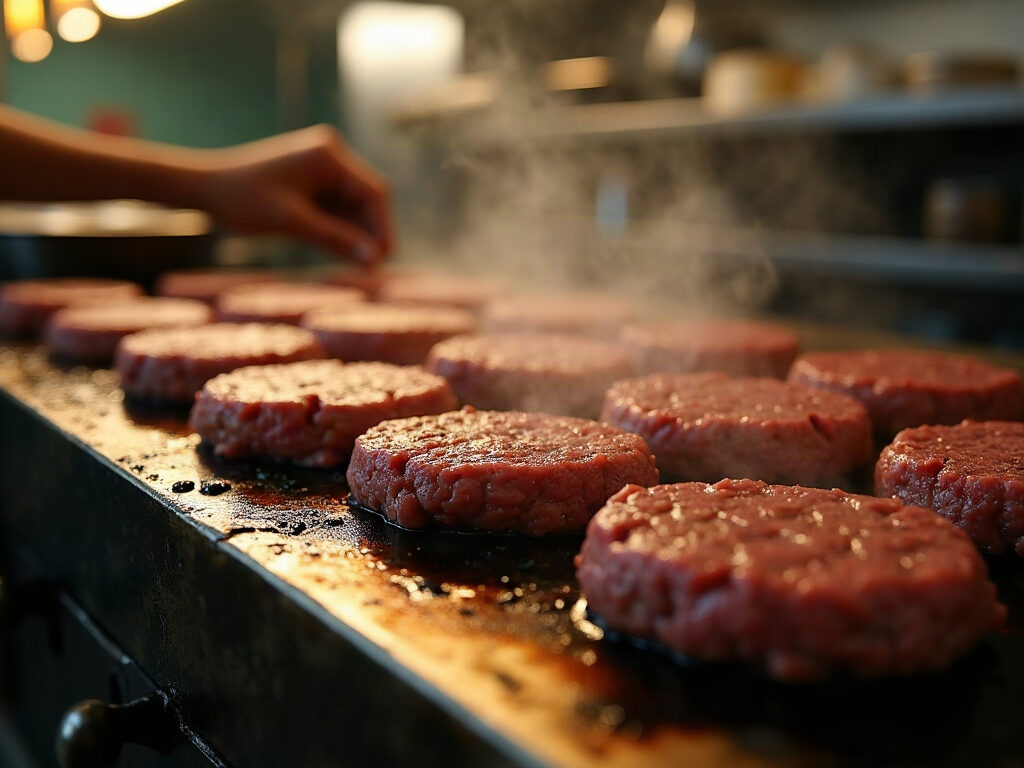
Match-day volume planning
The Stadium Catering page is built around high-volume service where cold-chain notes need to stay calm and exact. It suits operations feeding large crowds from central prep and fast distribution points, where beef must arrive in the right pack and move quickly into production. Beefy Africa frames this work around reliable volume handling rather than fancy menu language.
Stadium feeding works on repeatable cuts, fixed pack formats, and receiving slots that leave little room for drift. Concourse kiosks, hospitality suites, and central production kitchens each use beef differently, so the brief needs the serving style, holding method, and portion target from the start. In Johannesburg, Durban, Cape Town, and regional venues, weather, traffic access, and security gates can all affect handover.
Receiving checks matter most when trucks arrive close to prep. Start with pack count, label detail, and product temperature, then note any torn cartons or wet outers before stock moves inside. A short handling sheet near the cold room helps teams portion, hold, and issue product consistently across a busy event day.
What operations need in hand
The useful outcome is a supply plan that names the cut, carton format, and intended service point clearly. Kitchens serving thousands need less theory and more accuracy around trim level, pack size, and issue sequence. For stadium work, one dependable line into prep is worth more than extra menu ideas that slow production.
Use Stadium catering alongside the matching sector note, then record any site-specific handling points before volumes expand. Before dispatch leaves the cold store, check labels against the pick list, verify carton count, and inspect seals and pack condition. If you use the contact form, include the venue name, event type, and current packing setup.
- Cuts suited to kiosk and suite service
- Receiving checks logged before prep begins
Venue conditions across South Africa
Event kitchens often work around restricted delivery windows, security screening, and limited back-of-house cold space. Some sites receive through service tunnels, others through shared loading areas, which changes carton handling and timing. Where a venue runs both match-day catering and hospitality dining, standing volume should be separated from one-off fixture requirements.
Coastal venues need stricter attention on condensation, door openings, and how long stock stands during offload. Inland sites may deal with heat, dust, and longer road legs from cold storage to final kitchen. Load-shedding also changes when mince, burger patties, strips, or bulk cuts are portioned and moved into holding.
Operated by Astros Marketing (Pty) Ltd from 2 Makro Place, Sunnyrock 1401.
Information to send before supply
High-volume lines with calm cold-chain notes.
Send the venue name, expected crowd, menu format, and whether service runs from kiosks, suites, or a central production line. It also helps to include preferred cut list, carton size, receiving hours, and any site rules on vehicle access. Keep the order summary, product specification, and delivery note filed together for buyer checks and event reconciliation.
What our Pasture-Raised Beef customers say
Verified Google reviews