
Sectors
Scale Up
Scale Up is for buyers moving from occasional orders to a steadier protein programme. At this point, cut specification, carton labelling, and receiving discipline start affecting margin every week.
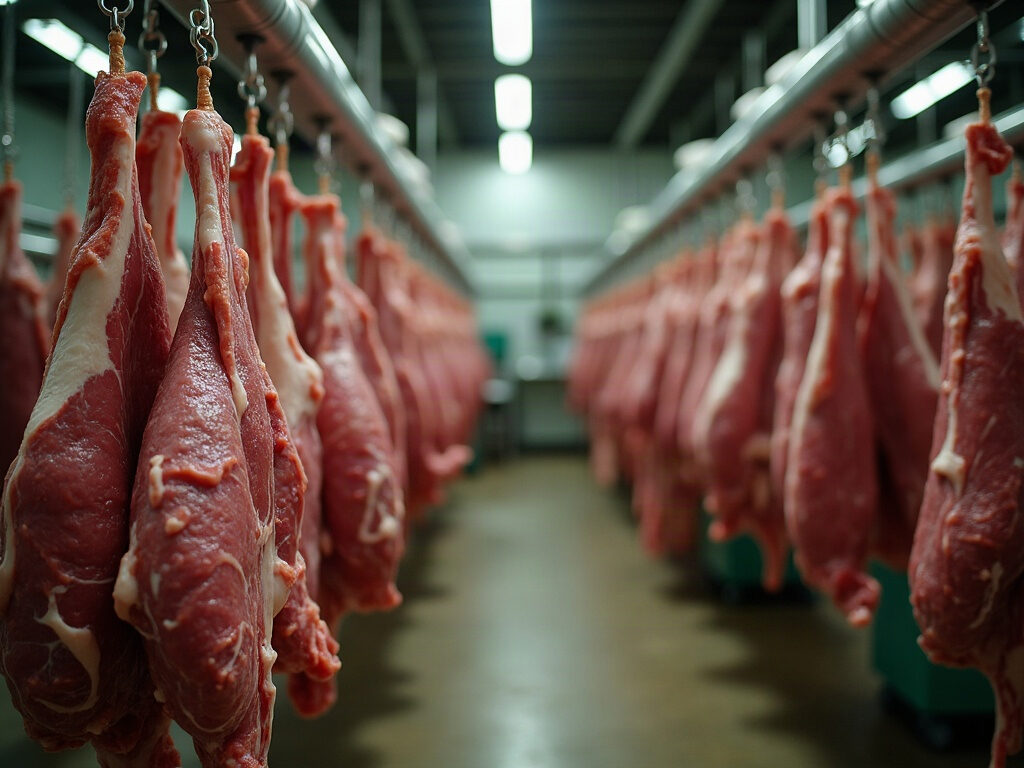
Volume orders without drift
The Scale Up page speaks to businesses moving from smaller orders into a broader protein programme. It covers the operational steps that start to matter more at volume, including pack consistency, receiving discipline and dispatch accuracy. Beefy Africa uses this approach when growth needs to be matched by steadier systems on the floor.
Begin with the proteins that move fastest, the pack sizes your team can handle, and the handover times your site can actually meet. Johannesburg traffic, Durban humidity, Cape Town routing, and regional cold-room limitations all shape how a larger programme should be set up. The aim is to keep the spec tight as order sizes increase.
Receiving checks matter more once volumes rise. A simple product card kept near the chiller can record cut, count, pack condition, and temperature at handover. That record helps the kitchen, butchery, or dispatch team spot issues before portioning starts.
What expands with volume
A larger programme needs more than extra cartons. It usually means firmer cut definitions, clearer dispatch windows, and one stock routine that the buyer, receiver, and prep team all follow. Good scale comes from repeatable handling, not from adding options that complicate service.
Link Scale Up to the relevant sector page and keep one notes record for each change in scope. Before dispatch leaves site, verify labels, carton counts, and seal condition against the order. If you use the contact form, include a short outline of your current volumes and the proteins you want to add.
- Pack sizes suited to higher throughput
- Receiving checks logged at handover
- Clear order trail for repeat supply
Volume conditions across South Africa
Larger orders are shaped by airport export pressure, cold-store booking windows, and site-specific receiving rules. OR Tambo peaks, shared storage, and older back-of-house spaces can all affect how product should be packed and scheduled. Standing weekly demand should be managed separately from emergency top-up buying.
Coastal sites need tighter moisture control around storage and handling. Inland operations often contend with dust, longer road legs, and different prep timing during power cuts. Those conditions influence portioning, dispatch planning, and how product is checked on arrival.
Operated by Astros Marketing (Pty) Ltd from 2 Makro Place, Sunnyrock 1401.
Information needed to widen scope
Bring your current weekly volumes, preferred cuts, and any non-negotiable receiving times. It also helps to note whether the programme serves a butcher counter, hotel kitchen, contract caterer, or export kitchen.
Keep product specs, delivery notes, and stock records filed together for each expanded line. When a buyer reviews consistency, those documents make it easier to compare what was ordered, dispatched, and received.
What our Pasture-Raised Beef customers say
Verified Google reviews