
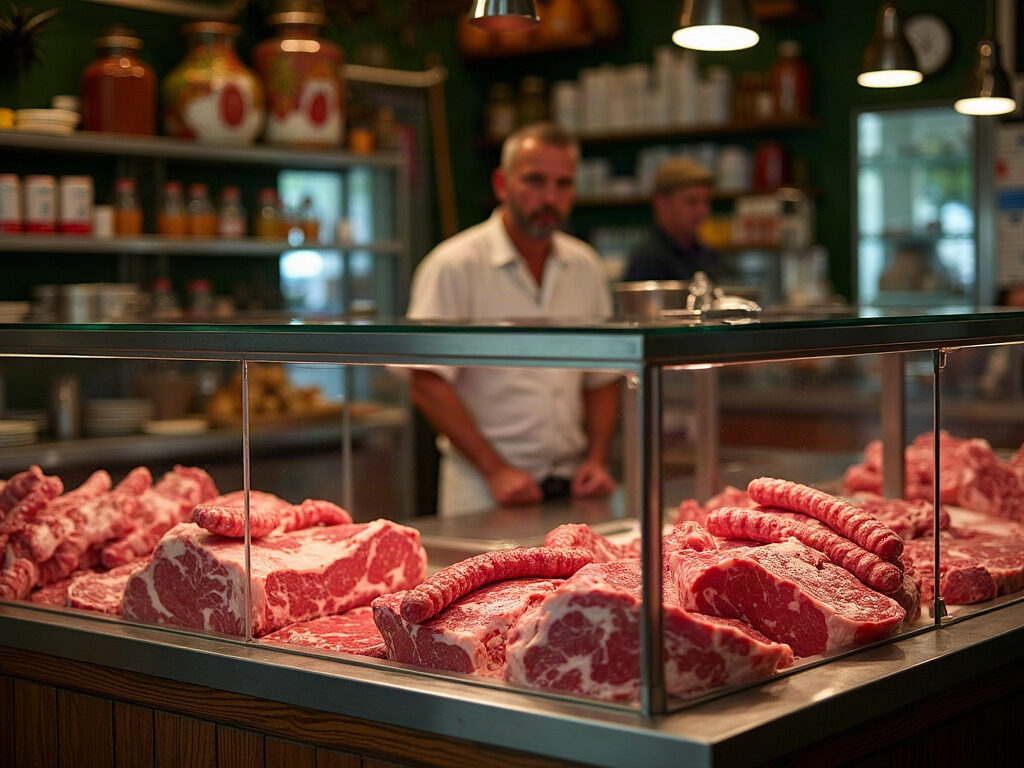
Counter craft starts with the carcass
The Independent Butchers page focuses on primal programmes that leave room for counter craft and local product storytelling. It suits butchers who want dependable pasture-led beef while keeping control over ageing, cutting and how the range is presented to shoppers. Beefy Africa supports that balance with clear specs and trade-ready supply.
Independent butchers often buy with the display case in mind, not just the carton. Rib, sirloin, chuck and trim need to land in a way that suits block work, ageing plans and house-made lines such as boerewors, burger patties or sosaties. Weather on the coast, municipal power interruptions and after-hours receiving all shape what can be broken down and merchandised properly.
On delivery, the first check should cover labelling, temperature and carton condition before stock goes into the chiller. A simple handling guide helps staff note batch details, hang primals correctly and separate product meant for immediate cutting from product intended for ageing. That discipline protects margin when the Saturday rush puts pressure on the counter.
Built for the butcher's block
The outcome is a programme with defined cuts, pack expectations and paperwork that matches the way an independent shop trades. Orders can be set around primal use, mince yield and value-added plans rather than a generic meat list. Clear naming on product and documents matters when several people receive, cut and price stock across the week.
Use the matching Sectors page and the relevant Notes entry before adding new lines to the range. Before stock is signed off, inspect the label, tally cartons and look for any pack damage. If you send the contact form, include your town, preferred cuts and whether the shop breaks down whole primals or portions in-house.
- Primals suited to in-house cutting
- Receiving checks logged at the chiller
- Trade details handled by email
Conditions butcher shops manage daily
Planning must account for cold-room space, morning block schedules and the reality of mixed trade from walk-in shoppers, restaurants and bulk family orders. Some stores age loins for flavour, while others need steady throughput for mince, stew and braai packs. Keep once-off festive demand separate from the standing weekly programme so the baseline order stays accurate.
In Durban and other humid coastal areas, crusting, condensation and display-life need closer attention. Inland shops deal with different pressure points such as dust, long drives from depot to store and harder daytime heat on loading. Load-shedding also affects when trimming, vacuum packing and cabinet restocking can happen without compromising temperature discipline.
Operated by Astros Marketing (Pty) Ltd from 2 Makro Place, Sunnyrock 1401.
Details worth sending upfront
Primal programmes that respect counter storytelling.
Include expected weekly volume, the cuts that move fastest and whether your team hangs, ages or portions on site. It also helps to note chiller capacity, trading days and any house products built from trim or secondary cuts. Those details make the programme fit the counter instead of forcing the counter to fit the programme.
What our Pasture-Raised Beef customers say
Verified Google reviews