
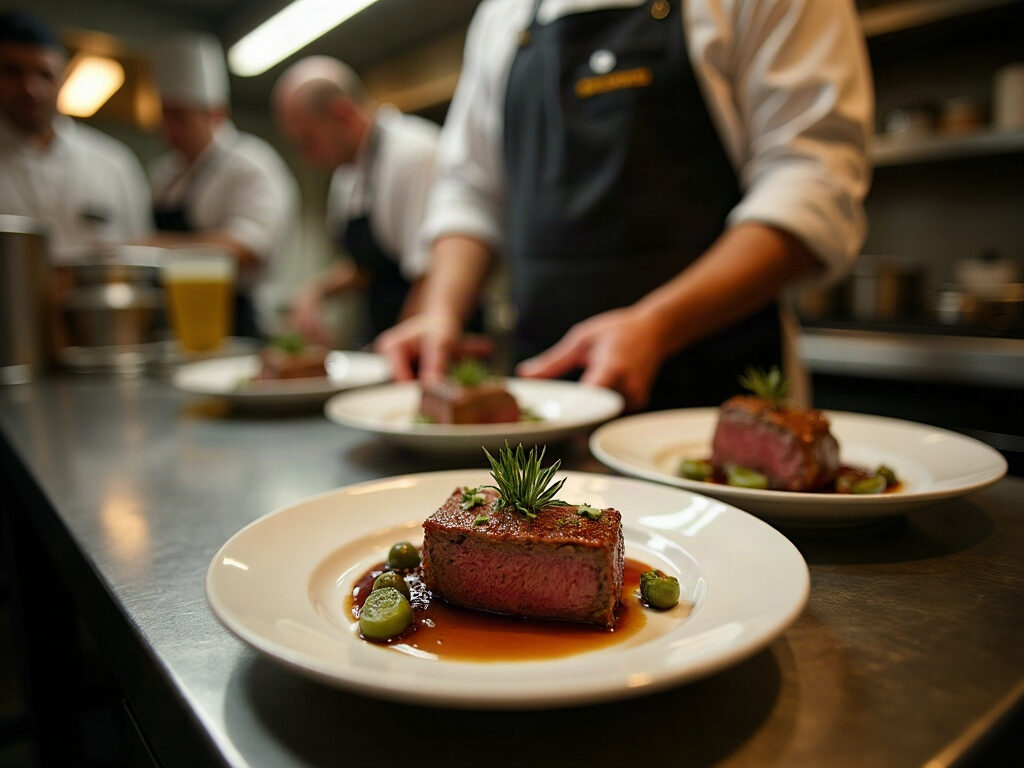
Protein planning across properties
Hotel Groups covers multi-property protein planning where consistency matters across more than one kitchen. It supports buying calendars, agreed grades and practical delivery notes so each property is not left interpreting the brief differently. That helps hotel teams manage beef programmes with fewer surprises from site to site.
Hotel groups need one beef brief that works in a city business hotel, a safari lodge kitchen, and a coastal resort. Portion size, trim level, pack format, and receiving hours can differ by property, so the buying calendar needs those details written in before orders move. Across Johannesburg, Durban, Cape Town, and regional sites, consistency matters more than treating each kitchen as a separate programme.
Receiving checks should be standard from the first drop at each property. A short product guide kept in the cold room helps chefs, store staff, and procurement teams verify labels, grade agreement, carton count, and pack condition against the order. That reduces menu disruption when occupancy rises and more than one kitchen is drawing from the same plan.
Documents hotel buyers can use
The useful output for a hotel group is not a long pitch but a set of working details. Buyers need agreed cuts, volume by property, delivery notes that kitchens can follow, and a clear record of which grade standard applies to banqueting, all day dining, and room service lines. That structure helps procurement and chefs read the same brief in the same way.
Before adding more sites, line up the product spec with the relevant trading note and keep one record for each property code. Check labels, carton totals, and storage condition again before transfer or final receiving. Tell us the cuts, the weekly volumes and the receiving hours at your kitchen or butchery.
- Buying calendar set by property type
- Receiving checks standardised across kitchens
- Grade notes shared with procurement teams
Conditions affecting hotel beef programmes
South African hotel supply plans must account for conference peaks, tourist season swings, and dispatch timing into mixed urban and regional networks. Export kitchen requirements, cold store booking windows, and security procedures at larger properties can all affect how stock is packed and received. Group procurement also needs space for urgent top-up orders without confusing the standing weekly requirement.
Coastal humidity can shorten the margin for poor storage practice, especially where deliveries land during warm receiving periods. Inland properties may face power interruptions that change portioning schedules, blast chilling routines, and when cartons should be opened. In lodge and remote settings, access roads and transfer timing matter just as much as the cut list.
Operated by Astros Marketing (Pty) Ltd from 2 Makro Place, Sunnyrock 1401.
What group chefs should record
Multi-property protein calendars without surprise grades.
Keep the delivery note, stock entry, and product specification together for each property on the day goods are booked in. When head office asks for support, those records make it easier to check pack weights, grade agreement, and where a variance first appeared.
What our Pasture-Raised Beef customers say
Verified Google reviews