
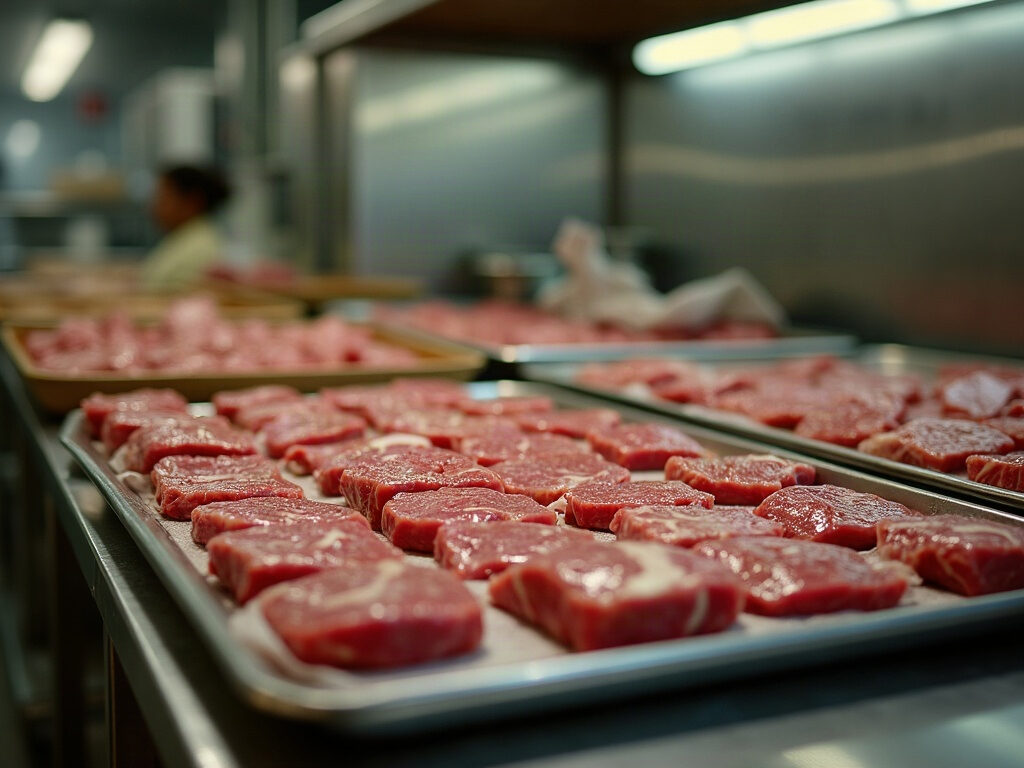
Cross-border kitchen handling points
The Export Kitchens page focuses on pack discipline and paperwork habits for cross-border menus. It speaks to kitchens that need steady product details, reliable cold-chain records and export-ready handling from dispatch through arrival. Beefy Africa frames this work around what chefs and receiving teams can actually use.
Export kitchens need more than a cut list. Carton marking, pack size, temperature records and receiving documents must line up with the menu plan and the border route. From inland dispatch points to coastal ports, storage conditions and handover timing shape how product lands in the kitchen.
Receiving teams work best with details they can check fast. A compact handling sheet can sit in the cold room with batch numbers, date coding, pack condition checks and thawing guidance for service prep. That helps chefs, store staff and procurement read from the same page when stock arrives.
Documents and pack details in hand
The page centres on the pack format and paperwork that travel with the order. Kitchens can track product identity, outer labelling, cold-chain records and the handoff points between dispatch, transport and arrival. Clear naming matters when the same receiving bay handles meat, dry goods and imported items on one shift.
Before dispatch, confirm the carton count, label legibility and seal condition, then file the same references against the order note. Where a query needs to be logged, use the contact form with the destination kitchen, required cut and pack standard. Cross-border work runs better when the kitchen spec and shipping record match from the start.
- Cartons marked for receiving teams
- Temperature records kept with dispatch papers
- Pack checks noted before collection
Conditions affecting export-bound kitchens
South African export handling has its own pinch points. OR Tambo cargo schedules, cold-store booking times, port traffic and after-hours receiving all influence how product should be packed and documented. A kitchen sending stock onward across a border needs fewer assumptions and better record keeping.
Humidity at the coast affects carton strength, labels and how long product can sit during checks. Inland sites deal with dust, wider day to night temperature swings and different loading routines at dispatch. Power cuts also shift portioning, blast chilling and handover times, so the receiving plan needs to match the route.
Operated by Astros Marketing (Pty) Ltd from 2 Makro Place, Sunnyrock 1401.
What the kitchen should prepare
Pack and paperwork habits for cross-border menus.
Keep the purchase order, spec sheet and dispatch record together for each consignment. Receiving staff should note date codes, carton totals, visible damage and storage placement as stock comes in. That file becomes useful when procurement queries a line item or a chef needs traceable product details for the next order.
What our Pasture-Raised Beef customers say
Verified Google reviews