
Range
Cold-Chain Kit
Logger packs and crate protocols for provincial runs.
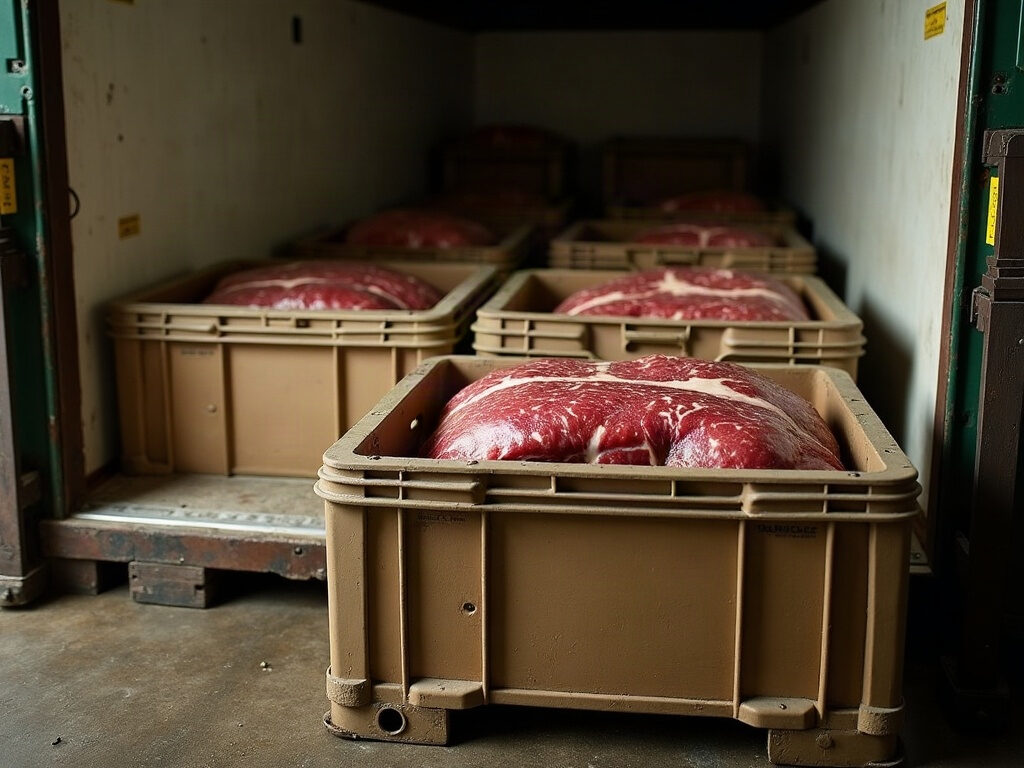
Dispatch logs for provincial runs
The Cold-Chain Kit covers logger packs and crate protocols for provincial runs. It is suited to buyers who need temperature records and loading discipline kept straight from dispatch through to receipt.
Cold-Chain Kit is built for beef and protein loads that leave the hub, cross a province, and arrive with temperatures properly recorded. Logger packs, crate stacking, and handover timing matter more on routes where receiving can happen long after dispatch. A run into the Highveld is not packed the same way as a humid coastal drop, so the kit is briefed around route length, vehicle type, and the buyer's receiving setup.
Each kit needs a first-read check before the doors close and a receiving check when the crates are opened. Site photos help fix simple problems such as blocked airflow, warm waiting bays, or mixed crate contents. For butchers, hotel stores, and export kitchens, that record sits with the load note instead of living only on a driver's phone.
What goes into the kit
The working pack covers logger placement, crate order, seal points, and a short receiving routine for the consignee. Product type matters here because boxed primal cuts, vacuum-packed portions, and mixed protein crates do not hold temperature in exactly the same way. The aim is a load that can be checked at dispatch, in transit, and again at receipt without guesswork.
Brief the run with dispatch times, route stops and loading-bay access before you send it through the contact form. Add the current crate count, the logger position, and any waiting time expected on site. That gives the supplier something useful to work from when provincial handling discipline needs tightening.
- Logger placed where airflow changes most
- Crates stacked for access at receipt
- Receiving routine kept with load paperwork
Checks that matter in South Africa
Power cuts, long gate queues, and afternoon heat can undo a good dispatch if the load is not packed with those conditions in mind. OR Tambo export movements, coastal waiting time, and inland transfer points all affect how long product sits before final receipt. The kit therefore focuses on evidence that travels with the consignment, not verbal handovers that disappear after unloading.
Humidity around Durban and Cape Town can soften cartons and change how crates need to breathe during transport. On drier inland routes, dust and repeated door opening can become just as important as the cold unit setting. Buyers who need traceable handling records usually ask for the same three things every time: dispatch reading, receipt reading, and a clear count.
Operated by Astros Marketing (Pty) Ltd from 2 Makro Place, Sunnyrock 1401.
Photos and timing to send
Cold-Chain Kit sits in the Logistics family. Logger packs and crate protocols for provincial runs. Brief our team with site photos and timing.
Send one image of the loaded vehicle, one of the crate arrangement, and one of the receiving point if access is tight or shared with other deliveries. Note the dispatch time, planned handover time, and any stop where doors may open before final delivery. Those details make the Cold-Chain Kit useful for provincial beef runs instead of turning it into another generic checklist.
What our Pasture-Raised Beef customers say
Verified Google reviews