
Range
Coastal Pack
Coastal Pack deals with the snags that show up once stock starts moving through humid receiving bays, mixed-stop drops, and short cold-room holds. It is built for coastal buyers who need beef packed and handed over with extra attention to moisture, temperature exposure, and stop-by-stop handling.
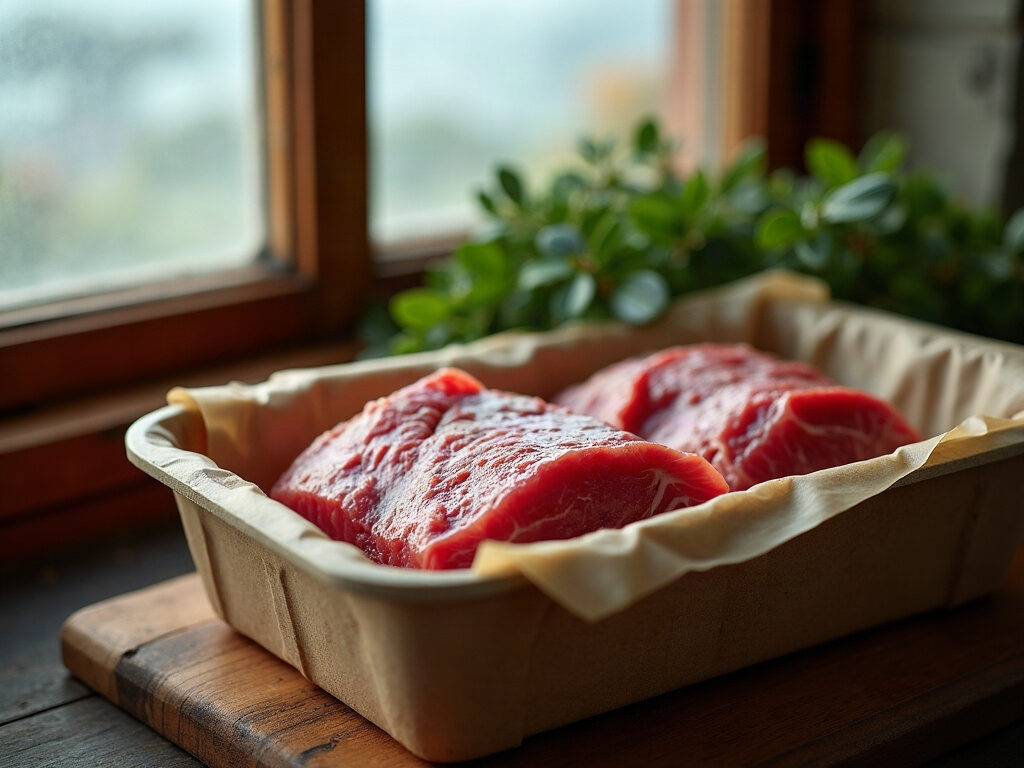
Coastal buying and handover
Coastal Pack is built for buyers working close to the coast where handling conditions and delivery legs can shift from one stop to the next. The exceptions that tend to show up after the opening week need clear handling so your team can manage stock, packing, and handover with fewer surprises.
Begin with where the cartons are landing, how many doors the load will pass through, and whether the buyer is cutting further or serving straight from portioned stock. Durban humidity, Cape Town wind exposure at back-of-house doors, generator cycles, and late hotel receiving all change the pack brief. Coastal Pack suits butchers, hospitality sites, and export kitchens that need the beef programme adjusted for shoreline trade conditions.
Ask the receiver to record the first unopened carton and the pallet condition at arrival. Coastal Pack works best when the team keeps the handling card near the cold room entry or with the purchase file. That first check often shows whether condensation, delayed offload, or rough stacking needs to be addressed before prep starts.
What Coastal Pack includes
The pack centres on a usable route for stock, a receiving check that fits the site, and naming that matches the cut and programme on file. Coastal buyers usually need fewer handover gaps, not more options on paper. Clear pack identity matters when one load is split across a hotel kitchen, a butcher counter, and a secondary cold room.
Check the Coastal Pack spec against the matching Range page before extending it into another channel. Before dispatch or collection, confirm labels, carton count, seal condition, and whether the outer pack suits the route. Tell us the cuts, the weekly volumes and the receiving hours at your kitchen or butchery.
- Pack format suited to coastal receiving
- Arrival image taken before cartons open
- Handling details shared with the buyer
Coastal conditions worth checking
Plan around port traffic, export kitchen cut-off times, older cold rooms, and receiving slots that shift around service. Some sites move steady volume and only need the coastal handling points tightened up. Keep spot buys separate from the standing beef programme so stock rotation and pack identity stay clear.
Sea air and humidity can soften cartons and increase surface moisture once product leaves the truck. Power interruptions change when portioning, vacuum checks, and dispatch should happen. On smaller coastal routes, the final stop may need different carton protection from the first.
Operated by Astros Marketing (Pty) Ltd from 2 Makro Place, Sunnyrock 1401.
Coastal Pack file notes
Use Coastal Pack when the core beef programme needs a coastal trade adjustment.
File the delivery note, receiving images, and product spec on the day the stock lands. Coastal Pack should sit next to the order summary so the buyer can trace cut name, pack style, and handover condition without hunting through old messages.
What our Pasture-Raised Beef customers say
Verified Google reviews