
Project
Polokwane branch
Supplier coordination for Polokwane teams needing clearer beef specs, order flow, and reliable replenishment.
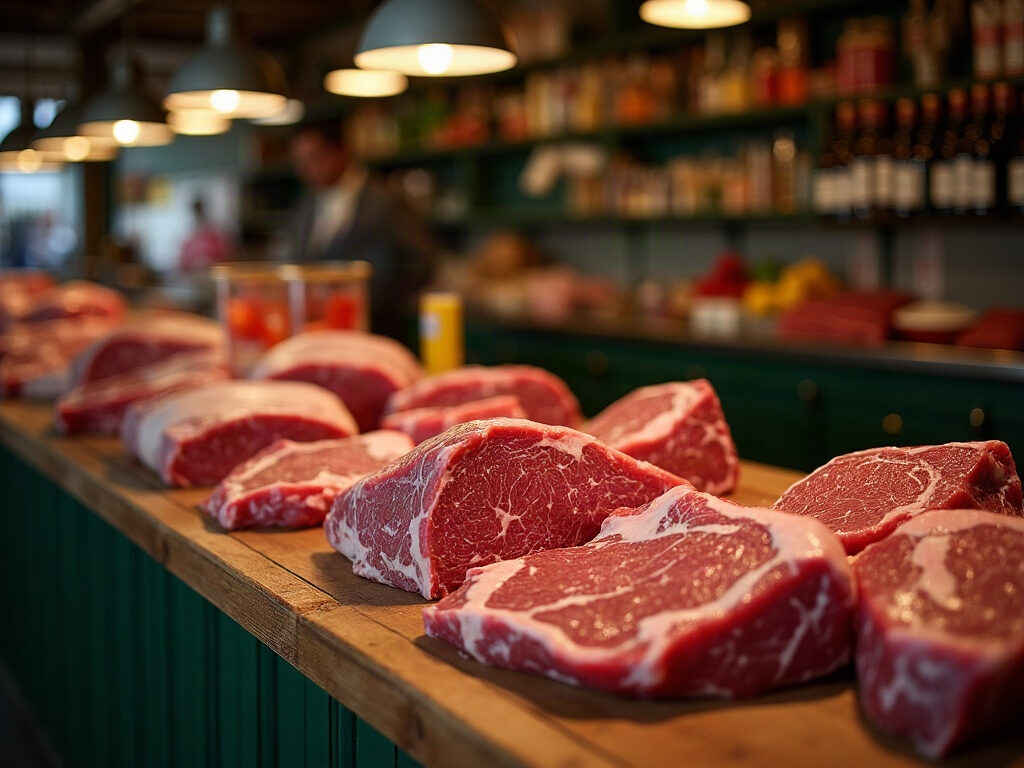
Polokwane buying patterns and cut demand
Polokwane branch is for teams that need clearer beef specs, smoother order flow, and replenishment that holds up in practice. It suits buyers in Polokwane who want supply discussions tied to what the floor, kitchen, or cold room actually needs.
Polokwane orders often turn on exact cut language, crate counts, and the handover time your receiving point can actually manage. Heat, traffic on the N1, generator schedules, and limited cold-room space all change how beef should be packed and sent. Buyers here usually need specifications that match a butchery counter, hotel kitchen, or export prep area rather than a generic price list.
Send photos from the first delivery check, especially labels, pack condition, and carton temperatures if these are being logged on site. A short product handling sheet is useful beside the cold room door or with the order file for the receiving team. Small checks at intake help prevent trim disputes, mispicked cuts, and stock being booked under the wrong item.
Documents used on the Polokwane run
This programme is built around a usable spec set, a replenishment routine, and a clean record of what was requested and what was dispatched. Cut names, pack size, fat cover, and delivery days are written for the people ordering and receiving stock, not for a generic sales deck. One workable route for repeat supply matters more than extra options that confuse the kitchen or butchery team.
Link Polokwane branch with the right sector page and a Notes entry before adding extra items or sites. Check labels, carton count, seal condition, and photo records again before collection leaves the depot.
- Cut specs matched to Polokwane trade use
- Receiving photos logged at first intake
- Order trail kept in one thread
Operational checks for Limpopo supply
Planning for Polokwane means accounting for inland heat, municipal power disruption, weekend trading spikes, and the distances between supplier, depot, and site. Some teams need carton beef for further breakdown, while others need portioned lines that reduce cold-room handling. Keep top-up orders separate from the standing programme so shortages, substitutions, and consumption patterns can be read properly.
Dry inland conditions affect packaging wear, crate dust, and how often storage areas need wiping down before stock is moved. Load-shedding changes portioning times, blast-chiller use, and when vehicles should depart for the best product hold. Meetings on this programme are more useful when they centre on current stock issues, receiving limits, and the cuts moving fastest.
Operated by Astros Marketing (Pty) Ltd from 2 Makro Place, Sunnyrock 1401.
Information to include in the brief
Send the Polokwane brief with supplier or site photos, lead times, and the stock or quality issues your team has encountered.
Include the item list, weekly volumes, preferred pack format, and the exact problems showing up at receiving or during prep. Photos of labels, cartons, and the current storage setup help clarify whether the issue sits with specification, transport, or handling on site. Keep the delivery note, order summary, and beef spec together for buyers who need a full reference trail.
What our Pasture-Raised Beef customers say
Verified Google reviews