
Project
Isando Cell
Isando Cell covers the cold rooms and dispatch handover around daily beef movement in Isando. The work centres on stock order in the chiller, vehicle loading sequence, and keeping packed product tied to the day’s pick list. Teams use it where volume moves fast and missed rotation can throw out the next dispatch.
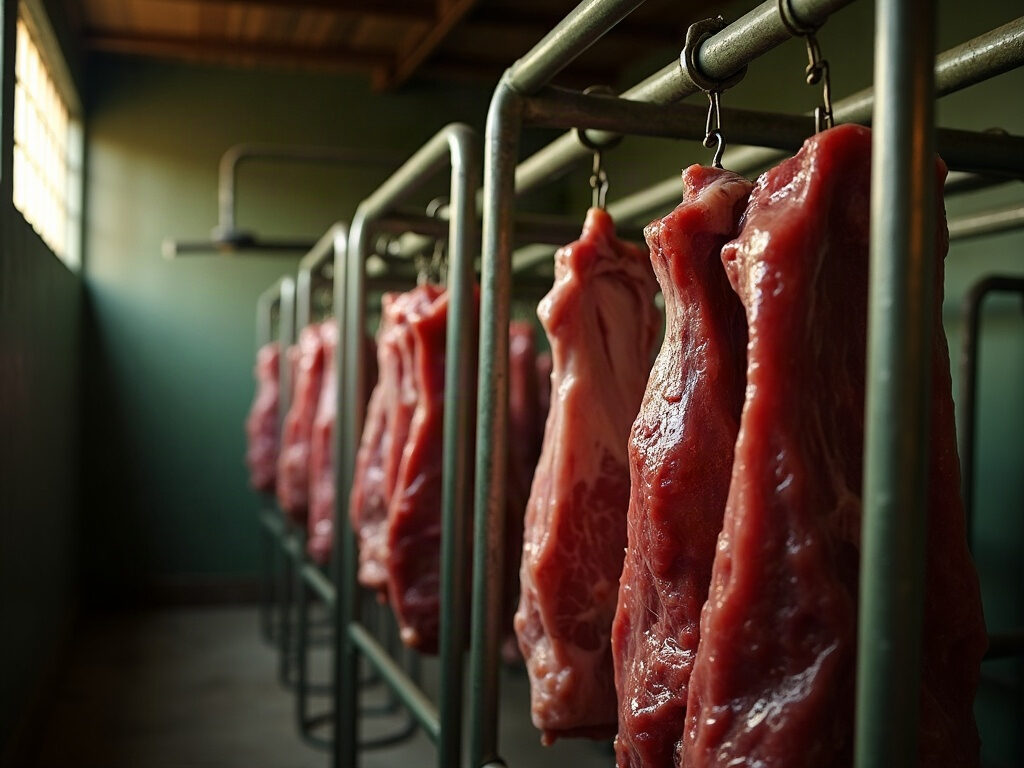
Isando chiller movement by shift
Isando Cell supports cold-room and dispatch teams handling daily beef movement in Isando. The programme focuses on stock rotation, delivery timing, and disciplined flow through the cold chain so product stays aligned with floor demand.
An Isando brief needs the cut list, current chiller layout, and the times when vehicles actually dock. Morning intake, afternoon picking, and late collections place different pressure on rotation and pack access. Johannesburg traffic, power interruptions, and buyers receiving at fixed windows all shape how the cell is set up for the day.
Photos of rails, stacks, and dispatch doors help show where movement starts to bunch up. A short handling sheet can sit by the cold-room entrance so pickers and checkers follow the same sequence. This is useful when mixed cartons, fresh sides, and urgent add-on orders are passing through one area.
What the Isando brief should carry
The pack should show the stock issue, the delivery pattern, and the points where product falls out of order. Include the exact cut or carton involved, plus whether the problem starts at receiving, storage, picking, or loading. For Isando operations, one clean dispatch routine usually matters more than extra handling steps.
Link Isando Cell to the relevant Sectors entry and a matching Notes record before extending the brief. Before product leaves the cold room, verify labels, quantities, and outer pack condition against the dispatch sheet.
- Cold-room rotation set to dispatch order
- Chiller photos showing access and congestion
- Labels, counts, and pack checks logged
Operating conditions around Isando
Isando work often sits close to airport freight routes, urban delivery pressure, and strict cold-store timing. Older facilities may have narrow aisles, limited staging space, or shared dispatch areas that affect beef movement through the day. Separate daily rush orders from the standing programme so the main stock pattern does not get broken.
Power cuts can force earlier portioning, delayed sealing, or revised loading times. Summer heat at open bays increases the need for quick transfers between chiller and truck. On wet days, extra care around pallets, carton bases, and door traffic helps keep product and paperwork in order.
Operated by Astros Marketing (Pty) Ltd from 2 Makro Place, Sunnyrock 1401.
Details that help the cell review
Send the Isando Cell brief with chiller photos, loading times, and the supply or packing problems already on hand. Keep the subject line specific.
File the stock note and delivery record while the load is still easy to trace. Keep the order summary and product specification with them when a buyer asks for pack detail, quantities, or cold-room references.
What our Pasture-Raised Beef customers say
Verified Google reviews