
Project
Durban Port
Port-minded planning for Durban teams moving beef and protein programmes through export-facing kitchens and loading points.
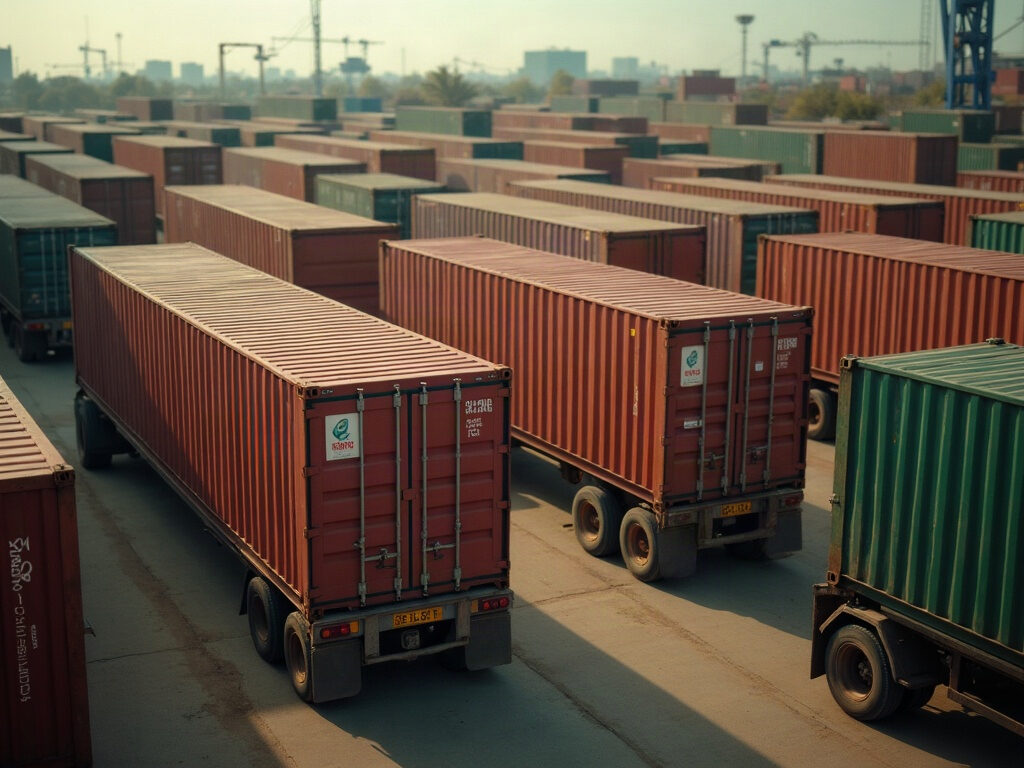
Durban Port loading realities
Durban Port is shaped for export-facing kitchens and loading points that handle beef and broader protein programmes. The work centres on practical planning for Durban teams moving product through port-side operations with proper cold-chain attention.
Durban Port briefs need the cut list, pack format, and handover point first. Salt air, gate queues, reefer availability, and late vessel changes can all shift how beef and mixed protein move between cold store, kitchen, and truck. Some teams are feeding export galley prep, while others are staging cartons for onward dispatch from Bayhead and nearby yards.
Opening checks matter most when stock lands near the quayside. Take photos of carton condition, core temperature records, and pallet wrap before anything is broken down for prep or reloading. A one-page handling note works best when it sits by the chiller door or inside the dispatch file.
Durban Port working pack
The pack for this project should spell out product names, destination use, and the handoff between kitchen, cold room, and vehicle. Include counts, labelling points, and who signs at each movement stage. Durban teams usually need one route that survives shift changes, traffic around the harbour, and tight loading windows.
Link Durban Port with the relevant Range, Sectors, or Notes entry only where it helps the current movement plan. Before dispatch, recheck carton labels, pallet count, seal details, and chiller readings.
- Port-side routing for boxed beef
- Receiving photos logged at handover
- Email trail with counts and cuts
Checks shaped by Durban conditions
Harbour traffic, cold-store booking times, and export kitchen prep that may run outside normal retail receiving hours all need to be accounted for. Some sites have older chillers or shared loading bays, so stock rotation and access timing must be written down properly. Keep urgent patch orders separate from the standing programme for vessels, crews, or export meals.
Humidity on the coast changes carton handling, condensation control, and how long doors can stay open during picks. Load-shedding changes when trimming, vacuum packing, and blast chilling can safely happen. Durban Port work also needs clean label checks, because mixed dispatches can move between local kitchens and export-bound loads in the same day.
Operated by Astros Marketing (Pty) Ltd from 2 Makro Place, Sunnyrock 1401.
What to send for Durban Port
Send the Durban Port brief with cold-chain photos, vessel or dispatch timing, and any supply gaps already hit. Use a clear subject line.
Send the stock note, dispatch timing, and product spec together so the movement record matches the physical load. Add photos of the current cold room, pallet setup, and any damaged packaging if that is part of the issue. That gives Durban Port teams one file to reference when checks are done at receipt or before loading.
What our Pasture-Raised Beef customers say
Verified Google reviews