
Project
Centurion Lab
A technical support track for Centurion lab teams checking beef quality, handling standards, and pack consistency.
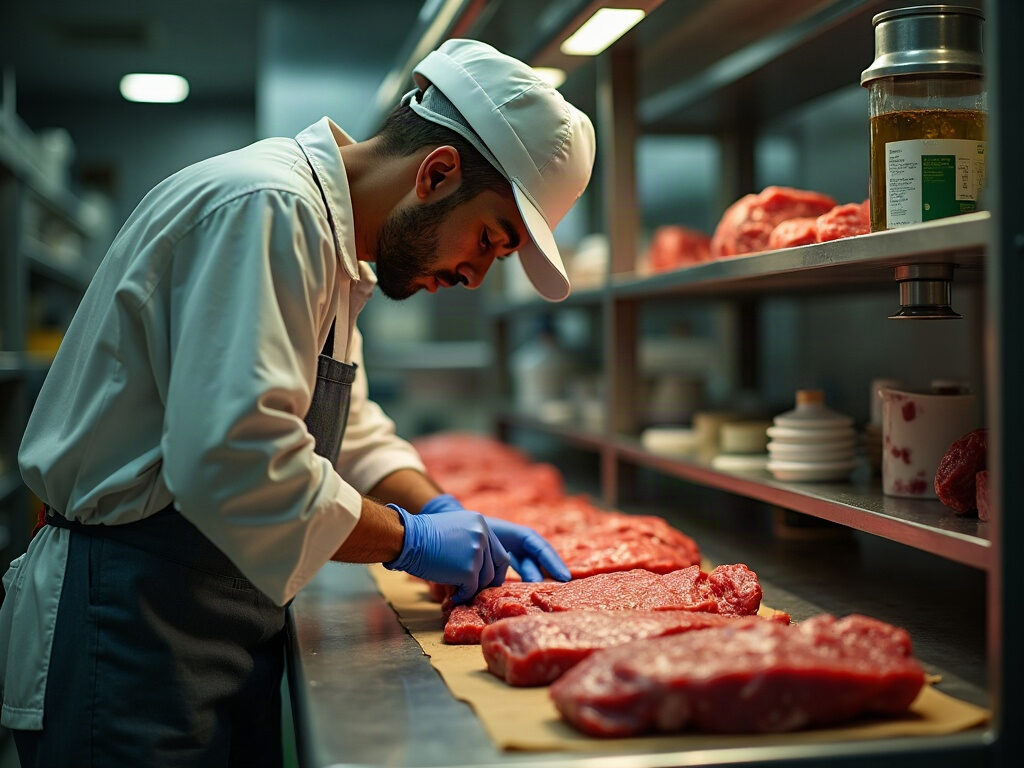
How Centurion Lab works in a real week
Centurion Lab is for teams checking beef quality, handling standards, and pack consistency in a working environment. The programme helps lab and operations staff in Centurion keep assessments tied to product condition, storage discipline, and usable pack outcomes.
Centurion Lab starts with the sample itself: cut name, pack date, storage history, and the condition seen when cartons are opened. Teams in Centurion often need the brief to cover chill control, purge level, seal integrity, and whether the pack still suits dispatch, further cutting, or kitchen issue. Notes on generator use, late unloading, and overnight holding help tie the check to what actually happened on site.
Include the first intake images before trimming, repacking, or moving stock between chillers. Centurion Lab works best when photos, temperature readings, and timing are logged against the same batch so the lab team can compare appearance with handling conditions. A pocket reference sheet can then sit by the receiving bay or in the QC file for the next delivery.
Centurion Lab reporting pack
The output is a working record for the Centurion team, not a vague summary. It can set out product condition by batch, handling points that need tighter control, and pack details that affect shelf life, presentation, or yield in use. That gives operations and lab staff one document to reference when the same issue shows up again.
Before expanding the scope, match Centurion Lab findings to the batch labels, storage notes, and any product images taken during checks. Confirm carton count, seal condition, and date coding before samples leave site or get handed to the courier.
- Batch checks tied to actual product condition
- Receiving photos logged before handling changes
- Lab and operations details in one thread
Centurion handling conditions that matter
Centurion assessments need to reflect ordinary site pressure such as staggered receiving, mixed carton ages, and chiller space shared with active production. Some checks may also need to account for dispatch preparation, retailer-ready packs, or export kitchen requirements where consistency matters across multiple cases. The useful brief is the one that records what the team saw, touched, measured, and opened on the day.
Power interruptions can change holding times and move product between cold rooms sooner than planned. Dry inland conditions around Gauteng affect carton dust, outer pack cleanliness, and how surfaces are managed during inspection. Where product has travelled in warm weather, temperature readings and condensation notes should sit next to the visual quality comments.
Operated by Astros Marketing (Pty) Ltd from 2 Makro Place, Sunnyrock 1401.
What to send with samples
Send the Centurion Lab brief with product photos, test timing, pack details, and any quality checks or handling issues already covered. Keep the subject line clear.
File the stock record, delivery note, and lab sheet together while the batch details are still in front of the team. Keep the order summary and product spec with them when a buyer asks for pack history, temperature notes, or trim observations.
What our Pasture-Raised Beef customers say
Verified Google reviews