
Project
Cape Studio
A Cape-side programme format for teams needing product presentation, tasting support, and practical beef trade notes.
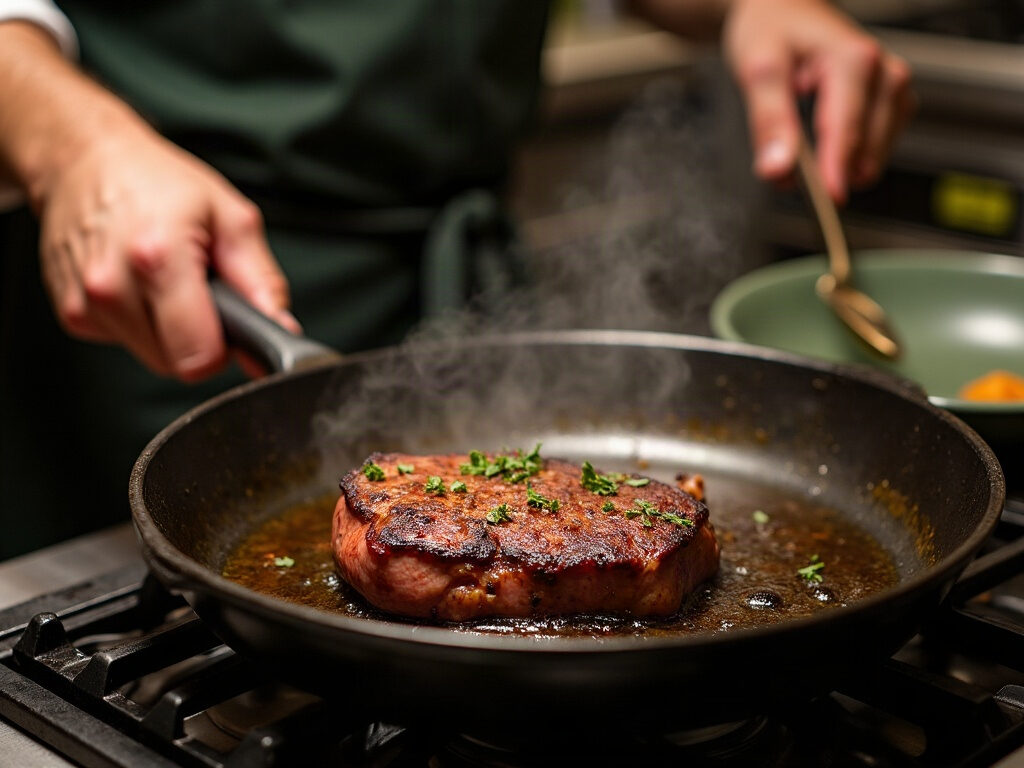
How Cape Studio fits a working week
Cape Studio gives Cape Town teams a practical format for presenting beef well and supporting tastings with useful trade notes. It fits butchers, hospitality buyers, and kitchen operators who need product discussions grounded in what can actually move on the floor.
Cape Studio starts with what must be shown on the table, who needs to taste it, and how the team will speak about each cut. Cape Town air, harbour traffic, power interruptions, and tight hotel receiving slots all shape the session plan. This format suits butcher counters, hospitality buyers, and export kitchens that need beef presentation tied to daily trade.
Bring clear site photos from the pass, counter, or tasting point before the session is set. Cape Studio works better when labels, plating ware, knives, boards, and hot holding limits are checked in advance. A short reference sheet can then sit in the prep area or travel with the order file for the next tasting.
Cape Studio takeaways
After Cape Studio, your team should have a tighter way to present product, guide tasting comments, and record the useful trade points. Notes should name the cut, pack style, and likely buyer fit without vague wording. For a busy kitchen or counter, one usable format is worth more than extra paperwork nobody opens again.
Keep Cape Studio linked to the products and sectors that matter to the people in the room, then narrow the next session around the gaps. Before anything leaves site, check tray condition, count, labels, and serving sequence again.
- Counter display plan for Cape tastings
- Receiving photos logged before service setup
- Trade notes prepared for buyer discussion
Cape conditions worth checking
Cape Town sessions need allowance for coastal moisture, traffic around port routes, and restricted access at hotels or production sites. Export kitchens may also require tighter handling records where tasting samples sit near packed stock. Mention any standing volumes, buyer standards, or menu cycles so the session reflects current trade rather than a generic product talk.
Sea air affects how long display surfaces stay presentable and how often wrapped stock needs checking during a session. Load-shedding changes holding equipment, lighting, and when meat can be sliced or plated without waste. For butcher teams, the useful discussion is usually yield, trim appearance, and what customers will notice first at the counter.
Operated by Astros Marketing (Pty) Ltd from 2 Makro Place, Sunnyrock 1401.
What to send for Cape Studio
Send the Cape Studio brief with site photos, session timing, product focus, and what has already not worked for your team. Keep the subject line plain.
Include enough detail to show whether the setting is a butcher counter, a hotel tasting table, or an export kitchen bench. That helps keep the material specific to the room, the people, and the beef being presented.
What our Pasture-Raised Beef customers say
Verified Google reviews