
Project
Bloem Counter
Counter-focused beef support for Bloem teams needing cleaner display planning, faster replenishment, and steadier sell-through.
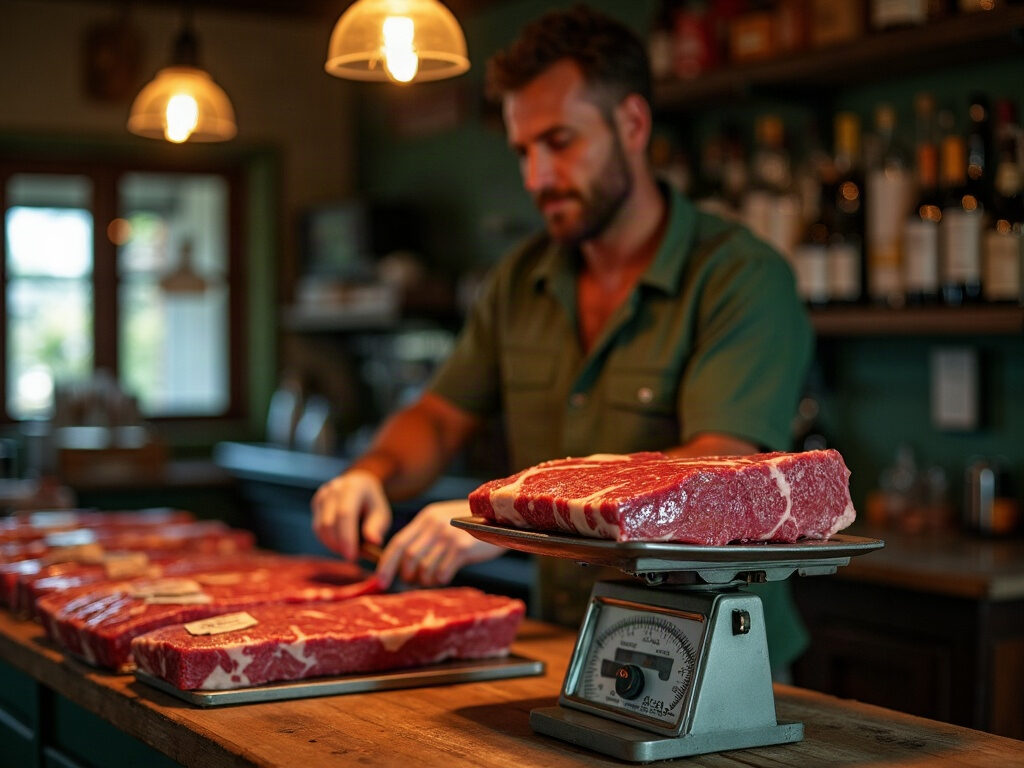
How Bloem Counter runs in a normal week
Bloem Counter is built for teams in Bloemfontein that need cleaner display planning and faster replenishment on the counter. The focus is on beef lines that sell through properly, with stock levels that hold up during daily trade.
For Bloem Counter, begin with the beef lines that move fastest on your counter, the times your team replenishes, and how much trim builds up by midday. Bloemfontein trade often swings around lunch traffic, school sport weekends, and late-afternoon household buying, so the brief needs those patterns. Include receiving times, cold-room space, and whether stock is being cut through the day or packed ahead.
Send the first counter photo from opening setup, not after the rush has started. Bloem Counter works best when we can see tray spacing, price-card position, and where mince, braai packs, and premium cuts are competing for room. Keep a short handling note near the cold room so staff can check rotation, trim retention, and display top-ups the same way each day.
Bloem counter pack-out points
You come away with a counter-specific plan that names the lines to carry, the stock levels to hold, and the gaps that are causing overfill or empty patches. The paperwork must match what staff can execute during trade. Bloem Counter is aimed at cleaner displays and steadier sell-through, not a long list of options that never reach the glass.
Before widening the range, check whether the current display is losing margin through poor tray balance, over-trimming, or slow-moving cuts taking prime space. Take one last look at labels, pack condition, and count before stock goes onto the counter.
- Counter mix built around Bloem trade
- Opening display checked with clear photos
Bloemfontein counter trading conditions
Bloem Counter needs the details that affect a butcher’s glass every day: morning prep space, peak queue times, and how quickly core beef lines disappear once trade starts. Some teams need better flow between the cold room and the front counter, while others need tighter control of what gets trimmed, repacked, or marked down. Keep standing counter needs separate from once-off event buying or a weekend spike.
Dry inland conditions can change how often display surfaces, trays, and cutting areas need attention through the day. Load-shedding can alter when product is cut, packed, or moved to the front, especially where backup refrigeration space is limited. Counter planning in Bloemfontein should reflect actual foot traffic and staff capacity, not a generic retail layout.
Operated by Astros Marketing (Pty) Ltd from 2 Makro Place, Sunnyrock 1401.
What to send for Bloem Counter
Send the Bloem Counter brief with counter photos, peak trade times, display needs, and the stock or trimming issues already seen. Keep the subject line simple.
Add the current counter photos, your busiest trading periods, and the beef lines that are either selling out too early or sitting too long. Mention any recurring issues with trimming loss, replenishment pace, or display clutter so the brief reflects the counter as it is now. That gives Bloem Counter a usable starting point for cleaner planning and steadier movement.
What our Pasture-Raised Beef customers say
Verified Google reviews