
Notes
Warehouse Pace
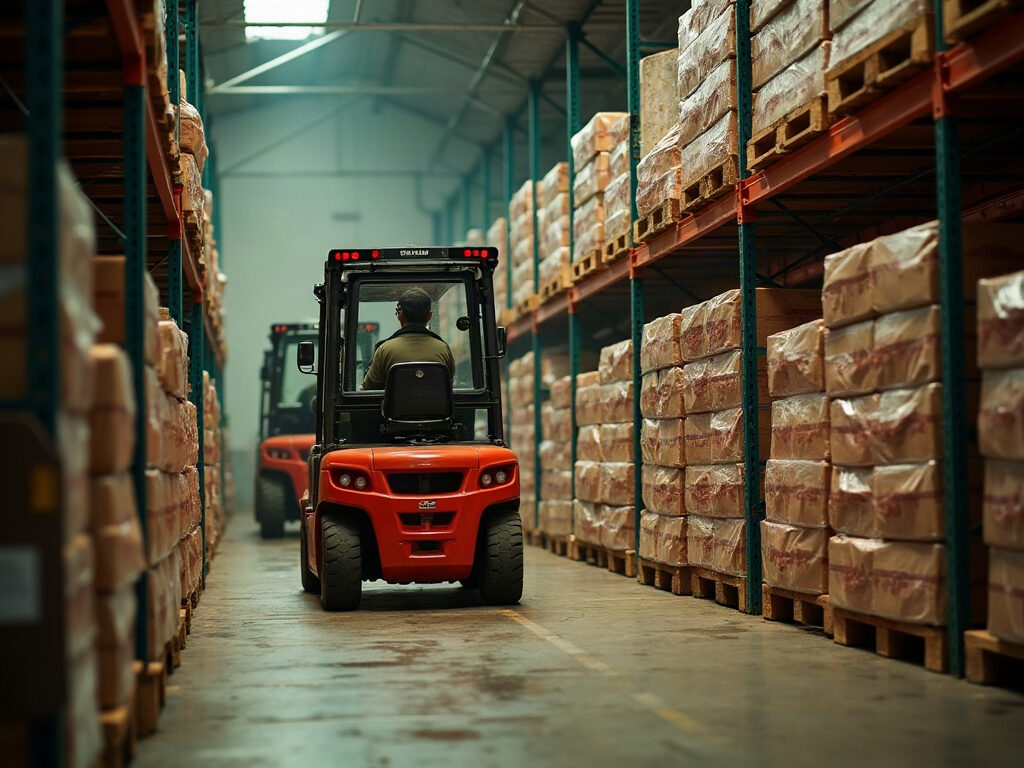
Warehouse pace affects pasture cattle, butcher counter and cold room flow for SA farm editorial teams that would rather avoid messy mornings.
Pace matters, but sequence matters more. In South African cold stores and dispatch spaces, hold-ups start when export cartons block local picks, staging areas fill out of order, or drivers arrive before pallets are wrapped and checked. Warehouse Pace looks at flow that keeps beef moving without losing control.
Warehouse Pace is about release order, dock timing and cold room discipline, not polished language. On beef dispatch days, trouble usually starts when local picks wait behind export stacks or when empty crates have no return point.
Dispatch checks before first pick
- Receiving bay and shift start listed
- Photo of staging area or pallet lane
- Exact cut, carton, or programme linked
- Contact name stated clearly as MD, Mr, or Ms
Read them together when planning pick order, crate returns and vehicle loading for beef headed to counters, kitchens or export prep.
Cold room rhythm across dispatch days
Warehouse Pace looks at how stock should move through storage and dispatch without creating pressure points at the dock or in the cold room. This note supports Beefy Africa customers who need a workable rhythm for counts, picking, crate flow and vehicle loading.
Begin with how stock leaves the room, not just what was ordered. A hotel kitchen, butcher counter and export kitchen all create different pressure at picking, crate return and loading. Johannesburg traffic, Durban humidity, Cape Town receiving slots and smaller regional runs each change the order in which pallets should be built.
First counts should happen before staging bays fill up. Once mixed orders crowd the dock, carton checks, label checks and temperature notes become harder to complete properly. A short loading sheet kept near the cold room door usually prevents the early scramble that ruins the rest of the morning.
Dispatch rhythm and count control
You get a working sequence for counts, picks, crate movement and vehicle loading. It names where stock tends to bottleneck, who should sign at each handover and what must be checked before a truck door closes. That matters more than extra theory when a mixed beef load has to leave cleanly.
Link Warehouse Pace with the relevant Range, Sectors and Notes pages before changing your dispatch pattern. Before collection, check pallet labels, carton count, wrap tension and the space left for late additions. Tell us the cuts, the weekly volumes and the receiving hours at your kitchen or butchery.
- Pick order matched to your dispatch pattern
- Opening count captured before bays fill
- Named contact point for the note
Warehouse realities in South Africa
This note accounts for OR Tambo export movements, cold store booking cut-offs and shared loading zones at busy sites. Some teams are moving bulk beef daily, while others are balancing retail packs with foodservice cartons in one room. Urgent top-up stock should be handled separately from the standing weekly programme so the main load does not lose order.
Along the coast, humidity affects carton condition and how long wrapped pallets can stand before loading. Inland sites often deal with dust, longer road legs and stricter timing around power interruptions. Those factors change when product is counted, wrapped, staged and released to vehicles.
Operated by Astros Marketing (Pty) Ltd from 2 Makro Place, Sunnyrock 1401.
Stock movement points to record
Warehouse pace affects pasture cattle, butcher counter and cold room flow for SA farm editorial teams that would rather avoid messy mornings.
File the stock sheet, delivery note and load check on the day of dispatch. When a buyer or operations lead asks why a pallet left in a certain sequence, those records show the order of counts, picks and loading without guesswork.