
Notes
Soft Start
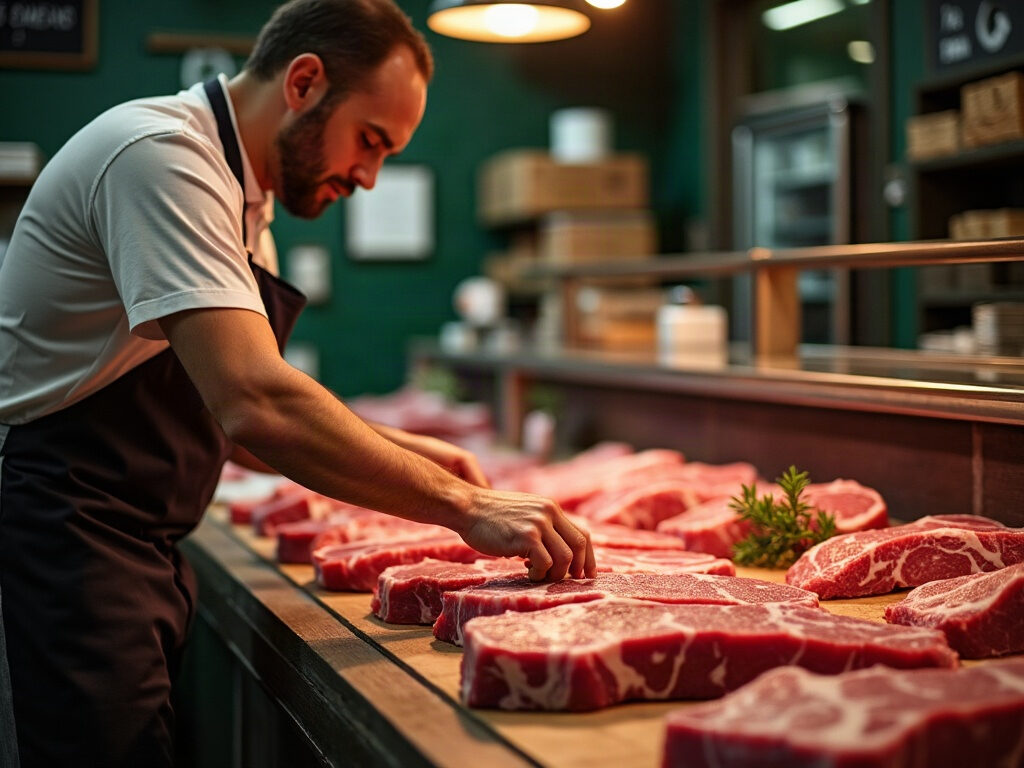
Soft-start routines help pasture cattle, the butcher counter and the cold room come online more cleanly for SA farm editorial teams wanting fewer messy mornings.
The first hour sets the tone for the whole cut room. In South African beef operations, problems begin when knives are not ready, yield targets were not reset, or the team starts breaking stock before the order board is checked. Soft Start focuses on opening routines that steady the day's output.
Soft Start is written for the opening hour, not for general admin. It deals with blade set-out, first temperature readings, order-board checks and the count that happens before cartons are opened in Gauteng, KZN and the Western Cape.
Opening checks before first cut
- Shift start time recorded
- Probe, steel and knives checked at open
- Order board matched to todays cuts
- Supervisor name written on the sheet
Use this note alongside the relevant beef line and programme page. Soft Start deals with opening checks, first counts, knife readiness and pack flow, while the range pages set out the cut, pack format and trading use. Teams in butcheries, hotel prep rooms and export kitchens usually need both open at once.
Where Soft Start gets used
Soft Start covers a steady start-up routine for cold rooms, prep spaces and receiving points handling fresh beef. Beefy Africa uses this note to support teams that want fewer avoidable mistakes during opening checks, first counts and early packing.
The note fits butcher counters, hotel prep kitchens and export packing rooms that handle fresh beef early in the day. Johannesburg winter mornings, Durban humidity and Cape Town delivery traffic all change how teams stage stock, reset targets and bring cold storage into the day. Smaller regional sites can use the same sequence when one missed count throws off the full run.
First counts matter before a single primal is broken down. A quick check of labels, temperatures and the order sequence at receiving points stops wrong stock from moving into trimming tables or packing benches. That opening discipline is especially useful where early staff handovers are rushed or power interruptions changed the previous night's storage pattern.
What the note fixes first
Soft Start gives teams a set order for opening the day. The note points to stock count, blade readiness, yield target reset and pack-area set-out so the room starts on today's work instead of yesterday's assumptions. In beef operations, that matters more than adding extra forms nobody reads during first prep.
Use Soft Start with the linked pages in Range, Sectors and Notes when the cut list or destination kitchen changes. Before product moves out of the room, recheck carton labels, unit count and pack condition against the opening record. Tell us the cuts, the weekly volumes and the receiving hours at your kitchen or butchery.
- Routine suited to butcher or kitchen
- Opening count done before breakdown starts
- Checks kept with the daily record
Conditions that affect opening hour
This note accounts for OR Tambo export dispatches, regional cold-store access times and older prep rooms where set-up takes longer. It also suits hospitality and retail teams that split urgent fill-in orders from standing weekly volume, because the first hour must show which stock is committed and which stock can be cut freely.
Coastal air changes carton handling and condensation checks in cold rooms. Inland sites deal with dust at doors, longer road legs and the effect of load-shedding on morning temperatures and packing order. These are operating details, not side issues, when fresh beef is moving before first service or dispatch.
Operated by Astros Marketing (Pty) Ltd from 2 Makro Place, Sunnyrock 1401.
Soft Start filing and handover
Soft-start routines help pasture cattle, the butcher counter and the cold room come online more cleanly for SA farm editorial teams wanting fewer messy mornings.
Keep the opening sheet with the stock record, delivery note and any temperature log from that shift. When a buyer, supervisor or export desk asks why yield moved or packs were held back, the first-hour record gives the sequence of checks, counts and handling decisions made that morning.