
Notes
Shift Cards
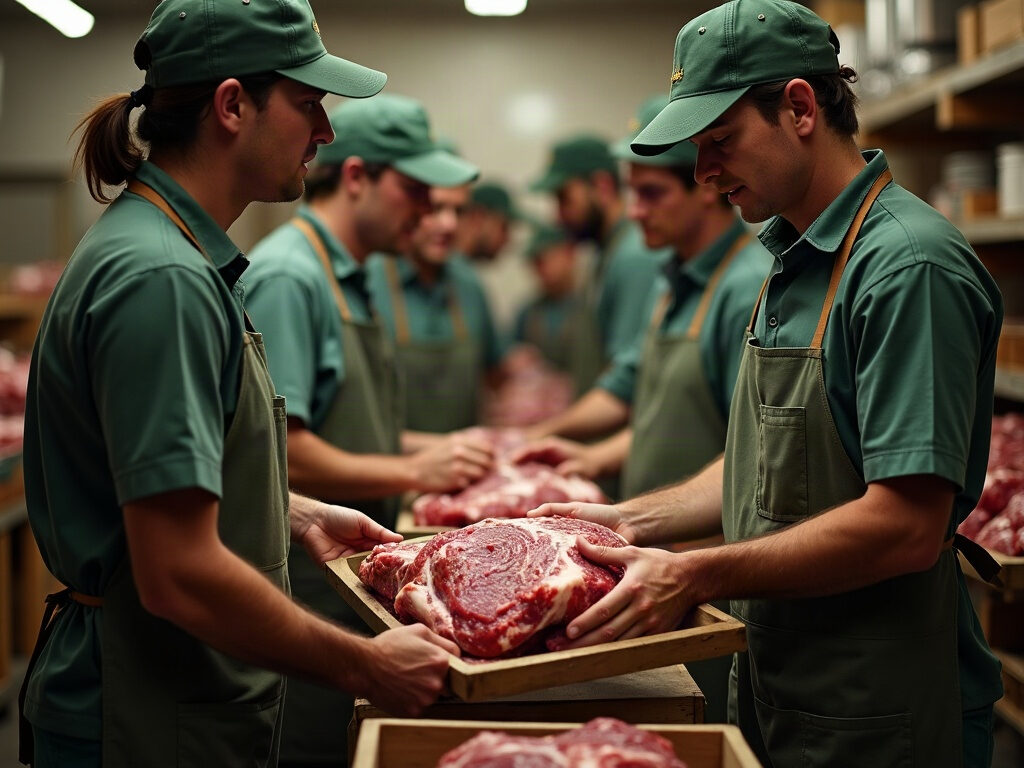
Shift cards can simplify pasture cattle, butcher counter and cold room handovers for SA farm editorial teams that want fewer messy mornings.
A shift runs better when the key details are visible at a glance. On South African meat floors, mistakes creep in when teams carry weights in memory, special trim specs stay verbal, or packing changes do not reach the next table. Shift Cards turns the day's work into clear production cues.
Shift Cards are written for handovers in beef rooms, counters and cold storage where the next team needs the facts fast. A useful card shows batch weights, trim instruction changes, label status and dispatch exceptions without sending staff back through old messages.
Card details that matter
- Site, date and shift time shown
- Current stock photo from chiller or bench
- Exact cut code or programme listed
- Names and roles written in full
The card sits beside the product spec, not in place of it. Shift Cards carry the live handover points for that day, while the main programme pages hold the standing cut, pack and supply information.
Where the card earns its keep
Shift Cards sets out the handover details that keep a beef room running cleanly across day and night teams. For Beefy Africa programmes, the focus is on what the next shift needs to see at once: stock position, cut priorities, labels, temperatures and dispatch notes.
Morning teams use the card to see what was packed overnight, which primals were opened, and where short stock is developing. In Johannesburg, Durban and Cape Town operations, receiving delays, power interruptions and late order changes can all alter the day's cut sequence. A visible card keeps those changes with the stock, not only in someone's head.
Another use is at dispatch and relabelling points. The card can note temperature readings, carton counts, special trim requests and customer-specific label wording before product leaves the cold room. That matters when export kitchens, hotel buyers and butcher counters are drawing from the same room.
What the next shift sees
A strong handover card gives the incoming team today's working picture in one place. That usually includes stock on hand, cuts to prioritise, items on hold, pack format changes and any load reserved for delivery or collection.
Before the next table starts work, read the card against the labels, tray counts and chiller positions.
- Card matched to room and task
- Opening check recorded with a photo
- Named handover contact on each shift
South African handover pressures
Shift Cards need to reflect local operating conditions, not generic factory language. OR Tambo export movements, regional collection times, older chillers and changing municipal power schedules all affect when product is cut, packed and moved. The card should separate standing programme work from urgent fill-in orders so both do not blur together.
Coastal sites may need sharper attention on condensation, carton condition and how long product stands outside the chiller. Inland teams often track dust, vehicle timing and heat build-up around loading areas more closely. Those points belong on the handover card when they affect today's handling.
Operated by Astros Marketing (Pty) Ltd from 2 Makro Place, Sunnyrock 1401.
Useful fields on the sheet
Shift cards can simplify pasture cattle, butcher counter and cold room handovers for SA farm editorial teams that want fewer messy mornings.
Keep the Shift Card with the stock sheet, order summary and any revised cut instruction from that date. When a buyer asks why counts changed or a label differs, the handover record gives the working reason tied to that shift.