
Notes
Seasonal Load
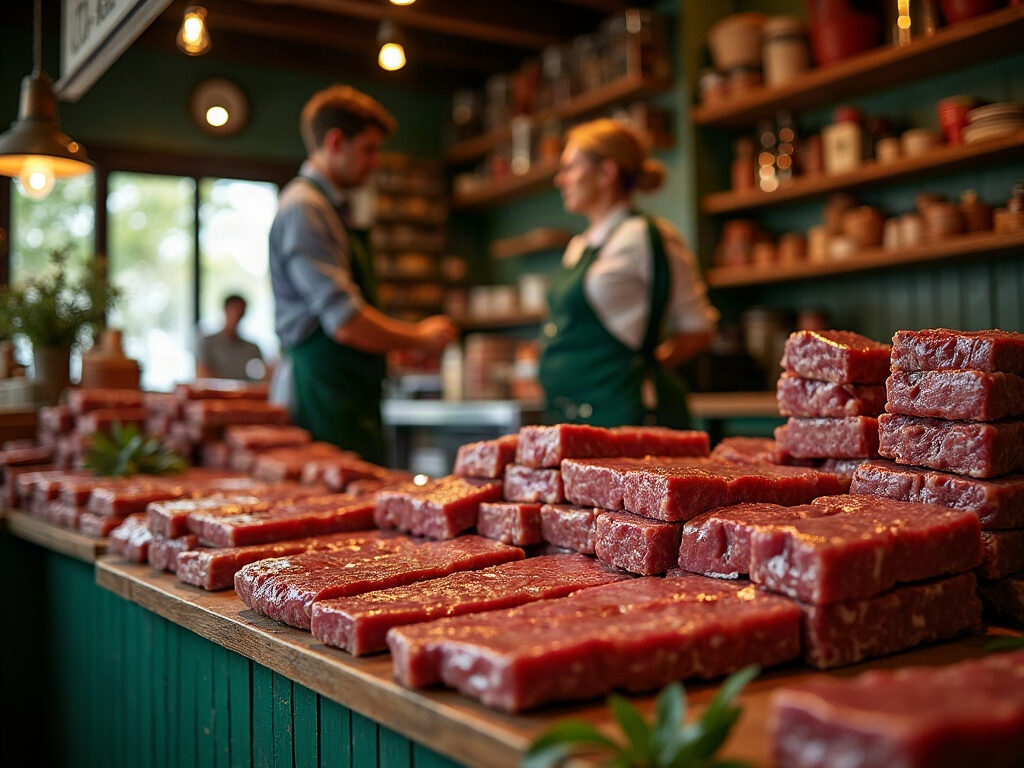
Seasonal load changes the pressure on pasture cattle, the butcher counter and the cold room for SA farm editorial teams trying to avoid messy mornings.
Seasonal pressure exposes weak planning very quickly. In the South African protein trade, it shows up when holiday demand shifts the cut mix, extra carcass volume lands without enough cold space, or export orders compete with local supply. Seasonal Load breaks down how to plan stock, labour and dispatch around peak weeks.
Seasonal Load is about pressure points that appear before Easter, winter weekends, month end braais, and the December coastal rush. On beef lines, the strain usually shows in forequarter balance, mince demand, and cold rooms holding more carcass weight than the dispatch plan expected.
Peak-period checks before buying
- Peak week dates written down
- Cold room capacity checked in carcass terms
- Cut mix linked to the active programme
- Buyer name and title recorded clearly
Seasonal Load focuses on timing, stock pressure, labour on busy cut days, and how order patterns change when hospitality and export kitchens pull on the same supply pool.
When demand bends the cut mix
Seasonal Load looks at how demand shifts across the year for butcher shops, hospitality buyers and export kitchens taking beef and other protein. Beefy Africa customers can plan pack mix, cold room space and ordering rhythm around busy South African trade periods.
A normal week can flip quickly when rib, sirloin and burger lines move faster than stewing cuts or trim. Johannesburg butchers, Durban hospitality buyers, and Cape Town export kitchens do not peak in the same way, so one stock plan rarely fits every route. Seasonal Load looks at where those changes land first, from buying sheets to dispatch vehicles.
Start by checking what must leave first and what can age a little longer under controlled conditions. Then review who is cutting, who is packing, and whether receiving times at the customer site will bunch too tightly on one morning. That is usually where avoidable handling errors begin.
What to map
Use it to set a tighter ordering rhythm around public holidays, school breaks, long weekends and large event periods. The useful output is not extra paperwork. It is a clearer view of stock days, pack format, labour pressure and which cuts need protection before volume arrives.
Read Seasonal Load with the linked trade pages before expanding a buying brief. Check labels, counts, vacuum condition and destination before dispatch leaves the yard. If you need to raise a live planning point, send it through the contact form with the current order pattern.
- Cut plan matched to seasonal demand
- Cold room load reviewed before intake
- Dispatch questions handled by email
South African pressure points in season
OR Tambo uplift windows, coastal holiday trade, inland winter demand and retailer promotion cycles can all distort buying requirements. In South Africa, those swings often happen while power interruptions, tight cold storage and staff leave rosters are also in play. Seasonal planning needs those conditions on the page from the start.
Humid coastal weather can shorten the margin for poor packing discipline once product starts moving in and out of storage. Inland operations often face different issues, with dry conditions, longer road legs and receiving bays that stack deliveries too close together. Each setting changes how beef and other protein should be portioned, packed and dispatched.
Operated by Astros Marketing (Pty) Ltd from 2 Makro Place, Sunnyrock 1401.
Planning notes for busy weeks
Seasonal load changes the pressure on pasture cattle, the butcher counter and the cold room for SA farm editorial teams trying to avoid messy mornings.
Keep the stock note, order summary and product spec together when demand starts climbing. That makes it easier to trace where extra volume was added, which cuts were substituted, and whether the pack mix still suits the butcher counter, hotel kitchen or export order.