
Notes
Power Windows
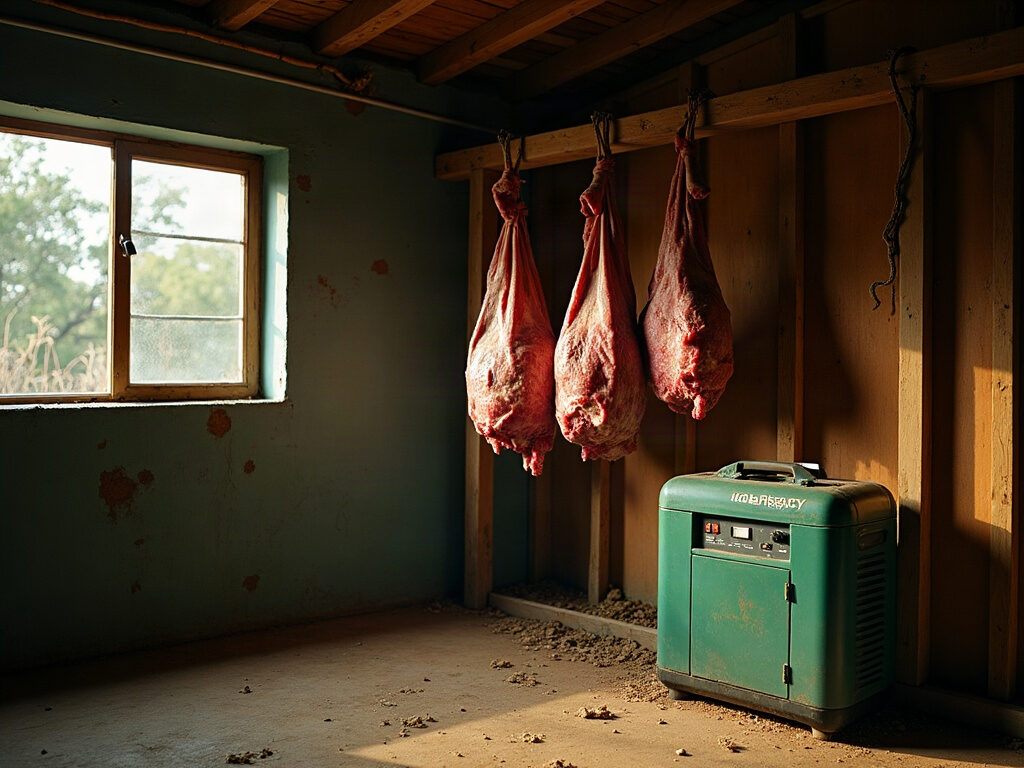
Power-window checks can save a pasture cattle team from a butcher counter cold room muddle on SA farm editorial mornings with warm light and fewer messy starts.
Cold-chain planning needs more than a rough slot on the diary. Across South African processing and dispatch sites, trouble starts when blast-chill time is guessed, loading windows are too tight, or power interruptions are not built into the day. Power Windows maps out the safe timing around chilling, packing and despatch.
Power Windows is written for the moments when chilling time, loading access and backup power decide whether a beef consignment holds temperature properly. It focuses on handover points between cold room, packing bench and vehicle bay across Gauteng, KwaZulu-Natal and the Western Cape.
Checks before cold-room release
- Dispatch bay and time slot logged
- Room probe and product probe compared
- Pack format matched to load plan
- Decision maker named for handover
Pair this note with the relevant programme and cut pages when planning a loading day. Power Windows focuses on chill time, dispatch order and door activity, while the range pages set out pack format, trim and intended use. Reading them together helps a butcher, hotel kitchen or export room brief the shift correctly.
Where timing pressure starts
Power Windows covers the loading and cold-room timing that affects how beef moves from receiving to storage without avoidable heat gain.
Most cold-chain trouble begins before the truck leaves. A late slaughter finish, a crowded blast chiller, or a loading door left open too long can lift product temperature faster than teams expect, especially on warm South African mornings. Power Windows sets out the checks that sit between carcass handling, packing and despatch.
Hotels, butcheries and export kitchens use this note to plan people around the narrowest part of the day. One team may need carton staging near the cold room, while another needs generator cover during pack-out or a later loading call once the core temperature has settled. Those are operational details, not diary filler.
What to organise
It gives a working frame for cold-room timing, staff positioning, door discipline and vehicle readiness. Instead of guessing a dispatch window from habit, teams can compare product state, room capacity and power risk before stock moves. That is especially useful when beef is being split between counters, hospitality orders and export prep on the same day.
Use Power Windows with the matching journal entry and programme page when dispatch timing affects a wider protein plan. Before stock leaves the site, recheck labels, carton count, room temperature and backup power status. If you send details through the contact form, include the site name and current loading arrangement.
- Timing checks tied to product movement
- Probe reading taken before loading starts
Conditions South African sites face
Power Windows makes more sense when set against local operating pressure. OR Tambo export traffic, municipal outages, older cold rooms, narrow loading bays and mixed fleet arrivals all affect how long beef can wait between chill and despatch. A butchery in Johannesburg will not manage that window in the same way as a coastal hotel supplier in Durban.
Humidity near the coast can leave cartons and door seals working harder than inland teams expect. On the Highveld, heat gain at open bays and long apron waits can become the bigger issue. Where load-shedding sits in the middle of the day, portioning, packing and vehicle loading need to be sequenced around backup capacity, not wishful timing.
Operated by Astros Marketing (Pty) Ltd from 2 Makro Place, Sunnyrock 1401.
Power-window briefing points
Power-window checks can save a pasture cattle team from a butcher counter cold room muddle on SA farm editorial mornings with warm light and fewer messy starts.
Keep the dispatch sheet with the stock record, probe log and delivery note for that load. When a buyer asks why a vehicle left later or why cartons were staged in a different order, the timing record should show the reason clearly. This note supports that discipline around chilling, packing and handover.