
Notes
Photo Angles
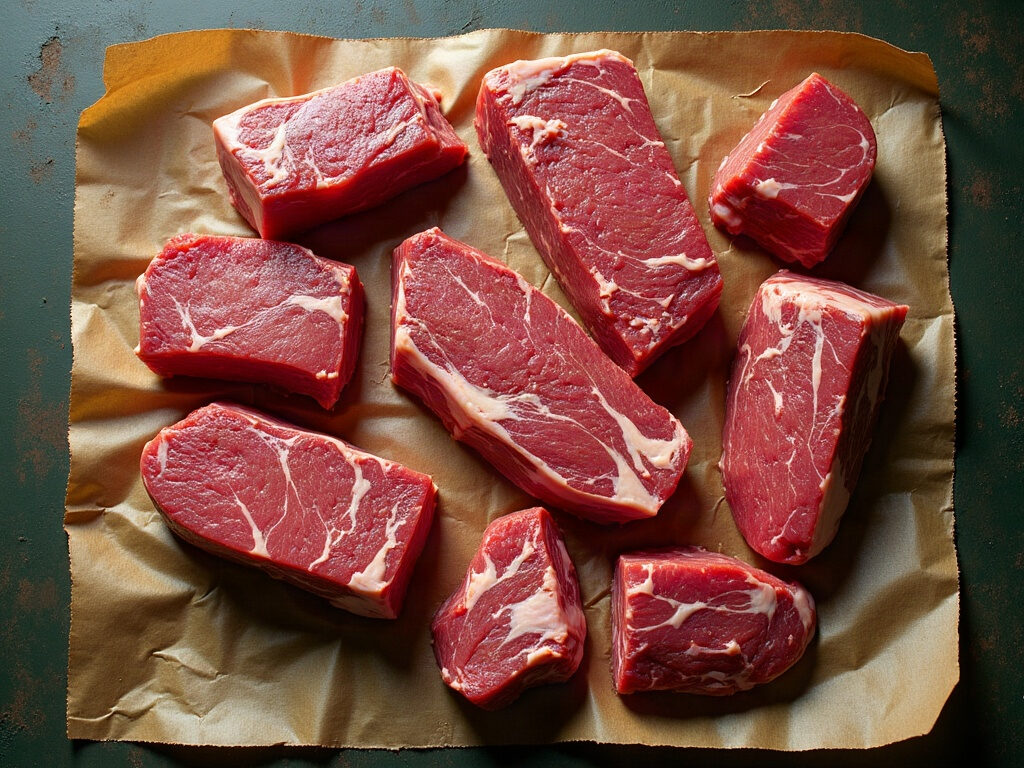
Photo angles influence how pasture cattle, the butcher counter and the cold room read in SA farm editorial work built around fewer messy mornings.
Good product can still be let down by poor proof. In South African meat trade work, that usually means case photos with no lot detail, cuts shot under the wrong light, or packaging images that hide scale and finish. Photo Angles explains how to photograph beef clearly for buyers, listings and stock reports.
Photo Angles is about proof that reads properly on a buyer's screen. For beef work in Gauteng, KZN and the Western Cape, that means images with true colour, visible labels and a clear sense of pack size.
Frames that matter on beef
- Cut face shown square to lens
- One full pack photo from cold room
- Exact line named beside the pictured cut
- Labels readable with MD, Mr or Ms
Use these checks when a buyer needs to judge trim, fat cover or carton handling from a photograph before stock is moved.
Where these shots earn their keep
Photo Angles shows the kind of images that help buyers judge a beef line properly before stock is booked. For Beefy Africa, that means clear views of cut shape, fat cover, label detail and cold room handling, using light that matches real South African working conditions.
A butcher counter needs different photographs from an export kitchen or a hotel pass. Johannesburg light can be hard and dry, Durban humidity can fog a lens near the chiller, and Cape Town winter mornings often flatten colour under strip lights. Those conditions change how beef presents, so the camera position must suit the setting rather than fight it.
The first useful image is usually taken at receiving or during breakdown in the cold room. Get one frame of the unopened case, one of the label, and one of the cut laid out with honest scale. That record helps when stock reports, listings or buyer queries need more than a verbal description.
What a useful set includes
A proper set gives the buyer enough to assess the line without guessing. That usually means the shape of the cut, the edge trim, the fat layer, the vac pack finish and the way cartons were handled in storage. Fewer images can work if each frame answers a buying question clearly.
Before the brief grows, check the linked pages for Range, Sectors and Notes so the images match the actual programme. Then review date code, pack count and label sharpness one more time. If you send examples through the contact form, include one frame from the current setup and name the site in the note.
- Angles matched to buyer use case
- Receiving shot logged before stock moves
- Images reviewed against the actual label
Lighting realities in South Africa
South African meat photography often happens under working lights, not studio rigs. Cold stores, prep rooms and receiving bays at regional sites can cast yellow or blue tones that change how beef appears on screen. That is why this note favours repeatable positions and simple checks over styled food photography.
Load-shedding changes when photos are taken and which lights are available. Coastal moisture can dull pack film, while inland dust shows up quickly on black trays and stainless surfaces. A useful image set must account for those conditions so the buyer sees the product, not the distraction around it.
Operated by Astros Marketing (Pty) Ltd from 2 Makro Place, Sunnyrock 1401.
Shot list for Photo Angles
Photo angles influence how pasture cattle, the butcher counter and the cold room read in SA farm editorial work built around fewer messy mornings.
Keep the image set with the stock note and order paperwork on the same day. When a buyer asks for backing detail, it helps to have the carton view, label close-up and cut photograph filed with the relevant product spec.