
Notes
Night Shift
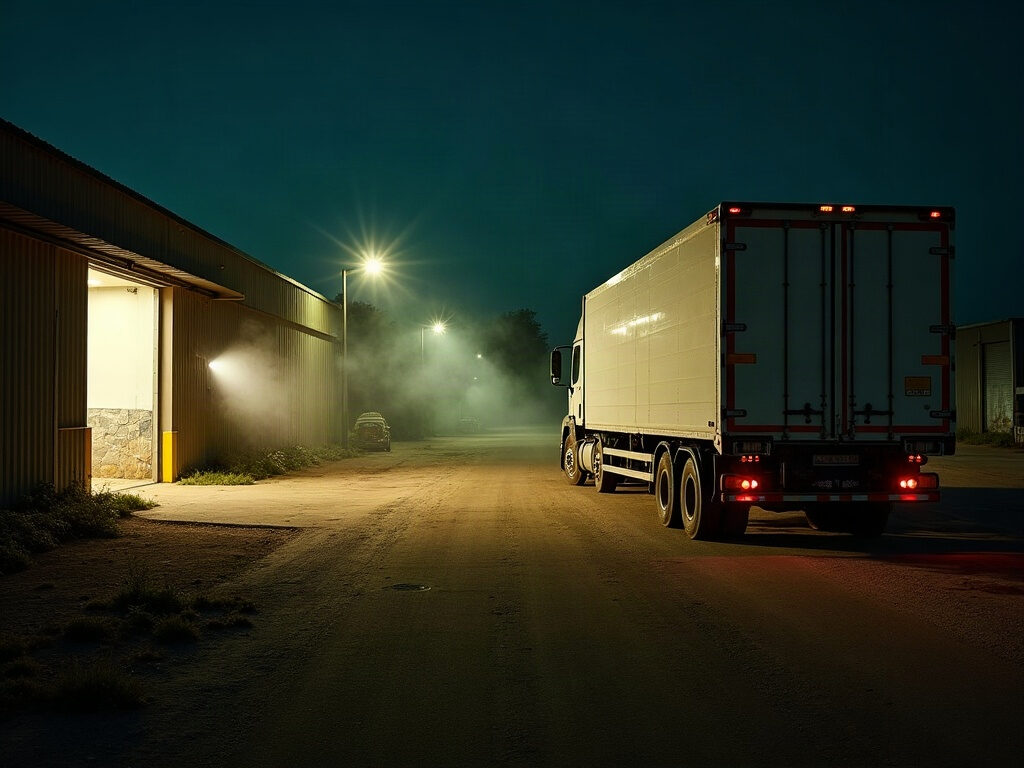
Night shift decisions carry into pasture cattle, butcher counter and cold room work for SA farm editorial teams that want calmer mornings in warm light.
Late production can quietly upset the next day's orders. In South African cutting rooms, it often means trim not separated properly, labels printed after loading starts, or night packing leaving the first dispatch short. Night Shift looks at the handover points that protect the morning run.
Night work shows up the next morning in very visible ways. A misplaced trim lug, a late label run or cartons stacked warm near the door can throw off first dispatch before sunrise. If this note applies to your site, use the contact form and mention night-shift so the handover issue is clear.
Handover points before dawn
- Dispatch time and handover hour logged
- Cold room image taken after final pack
- Exact cut list linked, not a long note
- Names and roles written in full
Pair this note with the relevant programme and cut pages before handing over to the night team. Here, the focus stays on overnight packing, receiving and cold room checks, while the range pages carry the pack spec, trim line and product format.
Where overnight work slips
Night Shift focuses on the handover points, cleaning rhythm and cold room discipline needed after daytime trade closes. It helps teams keep product condition steady when cutting, packing or receiving happens later in the day. Use this note where the next morning depends on work done overnight.
Night shift pressure often arrives after trade closes, when staff are cleaning, portioning and trying to set up the morning at once. In Johannesburg and Pretoria, early vehicle departures make late relabelling risky. In Durban and Cape Town, moisture at doors and frequent cold room opening need tighter packing discipline after dark.
One useful habit is to record the first and last check of the shift with the same short sheet. Include counts, label status, trim separation and door discipline. That gives the morning supervisor something better than memory when the first order is loaded.
Morning run protected
The value of a night-shift note is not theory. It names the points where stock condition, carton count and labelling can drift between close of trade and first dispatch. Teams can then tighten the sequence that matters to butchers, hotel kitchens and export prep rooms.
Use Night Shift with the linked journal material before changing a wider packing routine. On the last round, check printed labels against cartons, confirm separated trim and make sure the cold room is left in dispatch order. If you send a query through the contact form, mention the current shift pattern and where the handover breaks.
- Checks matched to the overnight task
- Final cold room state recorded before lock-up
- Named issue captured for the next team
South African night conditions
South African sites do not all shut and restart on the same rhythm. Some export kitchens work around flight and cold-store cut-off times, while retail butchery teams may pack late for very early route loading. A useful night brief separates standing volume from one-off catch-up work so the morning crew can see what changed.
Heat held in receiving passages, wet coastal air and power interruptions all change how late work should be staged. Product waiting outside the cold room, even briefly, can affect pack condition by morning. Night decisions need to account for generators, door traffic and who signs off the final count.
Operated by Astros Marketing (Pty) Ltd from 2 Makro Place, Sunnyrock 1401.
Night-shift briefing points
Night shift decisions carry into pasture cattle, butcher counter and cold room work for SA farm editorial teams that want calmer mornings in warm light.
Keep the stock note, delivery paperwork and overnight check sheet together before the site closes. When a buyer asks why a carton count or label changed, the answer should be in the handover record, not passed around by voice note.