
Notes
Highveld Dust
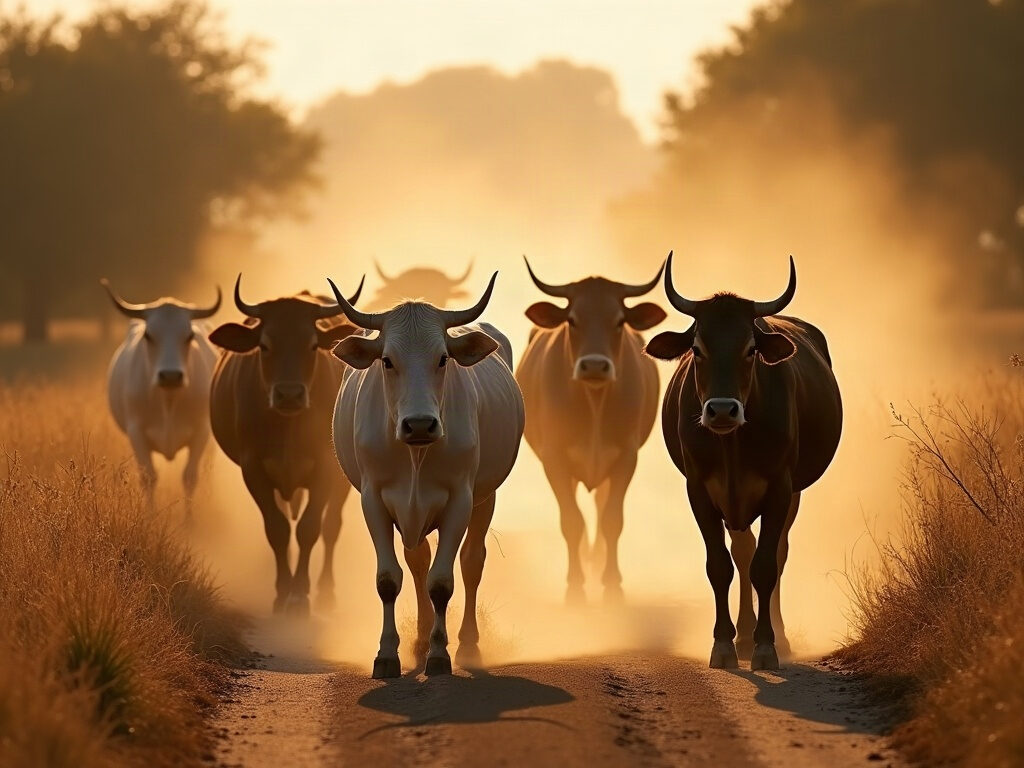
Highveld dust can creep into pasture cattle, butcher counter and cold room routines, so SA farm editorial teams plan around it for fewer messy mornings.
On the Highveld, dust reaches yards, loading zones and vehicle interiors quickly. Highveld Dust is our note on protecting boxed beef, keeping receiving areas cleaner and checking cartons before they go onward.
Highveld dust is not a branding idea here. It is the fine inland grit that settles on loading bays, crate tops and bakkie dashboards between farm, cold room and counter. This note keeps to handling points that matter in Gauteng and inland trade.
Dust points before offload
- Receiving bay swept before cartons arrive
- Outer cartons and vehicle interior checked for dust
- Exact beef line named, not a vague mixed order
- Buyer and site contact details written clearly
Read this note with the relevant beef programme page. Highveld Dust deals with yard conditions, outer packaging and handover checks, while the main range page covers cuts, pack style and intended kitchen or butcher use.
How Highveld Dust shows up in weekly operations
Highveld Dust deals with the dry conditions that can affect counters, prep areas and outer packaging inland. It gives teams a straightforward reference for keeping beef presentation clean in dusty trading environments. This matters most where stock moves from cold room to retail floor through open working spaces.
Begin with where the stock changes hands. Dust risk is different at an exposed Highveld loading area, a strip-mall butcher entrance, or a hotel goods-in door behind the kitchen. Johannesburg traffic, dry winter air and open receiving spaces all shape how boxed beef should move from truck to cold storage.
Take the first receiving image before cartons are stacked away. Outer cases, pallet wrap and box corners tell you quickly whether dust entered during transit or while product waited at dispatch. Keep that image with the order paperwork so the next shift can compare condition on repeat deliveries.
Dust checks before dispatch
Teams should finish with a tighter receiving routine for dusty inland days. The main gain is cleaner carton handling, fewer marks transferred into prep zones and a clearer record of what arrived at the door. For butchers and hotel stores, that matters more than adding extra steps nobody will keep up.
Use Highveld Dust alongside the related trade pages before changing pack flow or dispatch habits. On collection day, check pallet wrap, carton lids and label legibility before stock goes onward to another site. Tell us the cuts, the weekly volumes and the receiving hours at your kitchen or butchery.
- Handling suited to dusty inland receiving areas
- Arrival condition logged before cartons move inside
- Written feedback on dust and pack condition
Inland trade conditions that matter
Think OR Tambo export traffic, Highveld depots, older cold rooms, yard gates left open during offload and retail backs of house where dry air carries dust fast. Separate a once-off urgent top-up from the standing beef programme so checks stay consistent.
Coastal moisture and inland dust create different handling problems. On the Highveld, the concern is often outer packaging, trolley handles, sleeves and prep benches picking up fine grit while cartons move through open air. Load-shedding can tighten transfer windows, so teams need a set order for offload, inspection and cold storage.
Operated by Astros Marketing (Pty) Ltd from 2 Makro Place, Sunnyrock 1401.
Highveld dust handling notes
Highveld dust can creep into pasture cattle, butcher counter and cold room routines, so SA farm editorial teams plan around it for fewer messy mornings.
File the delivery note while the receiving check is still fresh. Attach the photo record, carton count and any comment on dust build-up to the order summary so the buyer has one clean reference when querying a consignment later.