
Notes
First Photo
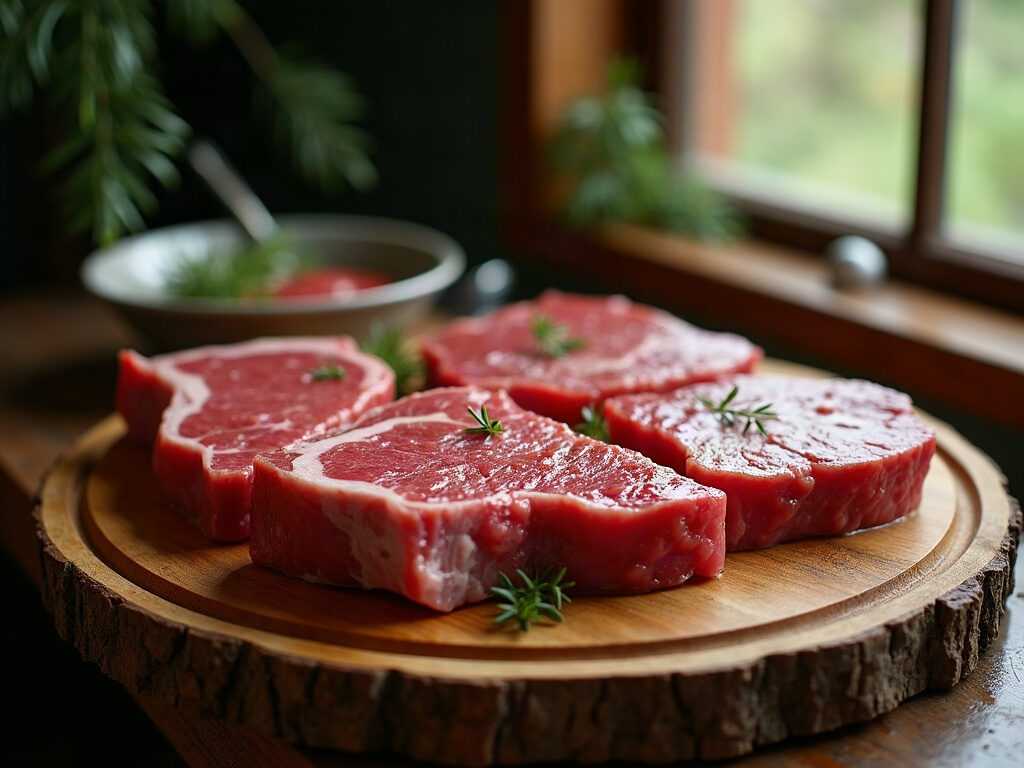
The first photo often sets the tone for pasture cattle, the butcher counter and the cold room in SA farm editorial work for teams after fewer messy mornings.
A first photo should show more than that stock exists. First Photo is our note on sending useful images of cuts, marbling, packing, labels and carton condition so buyers can act on what they see.
First Photo is written for the moment a carton is opened and everyone wants one image that answers three questions at once. Show the cut, the label and the state of the pack in the same frame where possible, then keep the note short enough to file with the load record.
Opening frame checks at intake
- Receiving point and handover time shown
- One sharp image of cut, pack and label
- Exact beef line or programme named
- Buyer or checker identified by role
Use these checks when a chef, butcher or export kitchen needs visual proof of what arrived before trimming, splitting or stacking starts.
How First Photo supports a real beef week
First Photo explains which opening images help confirm the product, pack and label before the load is broken down. It is a practical note for teams who need a quick visual record from the first crate or first handover. Keep it in the workflow where condition on arrival matters.
Begin with the pack format and where the check will happen. A Johannesburg cold room, a Durban hotel dock and a Cape Town export prep area do not produce the same first image, because condensation, light and traffic around the crates all differ. The useful photo is the one that lets a buyer confirm product identity without guessing.
The first image should be taken before the outer carton is flattened or the contents are redistributed. Include enough of the label to read the key fields, and keep blood smears, torn liners and pooled purge in view if they affect acceptance. That record matters when the receiving team signs off condition on arrival.
What that first image must show
A good First Photo gives a clear reference for the shift file and for any follow-up on count, cut or presentation. It is less about pretty styling and more about traceable detail, such as marbling visibility, seal condition and whether the carton matches the order note. One dependable image helps more than a long explanation typed after breakdown.
Keep First Photo with the receiving checklist rather than buried in general admin. Before the crate is fully unpacked, capture the label panel, the nearest cut surface and any carton damage that could affect storage or sale. Please include the current setup when you fill in the contact form.
- Image matched to the incoming beef line
- Arrival condition recorded before breakdown starts
- Photos filed with the load record
SA receiving conditions that affect photos
Light levels, dock congestion and cold-store access all change how a first image is captured. At OR Tambo export handling points, teams may need the label and carton face first, while a butcher counter transfer can justify an immediate product shot once the pack is opened. Separate routine intake images from disputes so the file stays usable later.
Coastal humidity can fog a lens as soon as the box comes out into warmer air. Inland sites often deal with dust at loading points and harsher shadows at early deliveries. During power cuts, the sequence matters even more, because doors should not stand open while someone searches for a better angle.
Operated by Astros Marketing (Pty) Ltd from 2 Makro Place, Sunnyrock 1401.
First Photo prompt for teams
The first photo often sets the tone for pasture cattle, the butcher counter and the cold room in SA farm editorial work for teams after fewer messy mornings.
Take the image at the first stable pause in handover, then save it with the delivery note, order summary and any spec sheet used for checking. That keeps one visual reference tied to the same paperwork the buyer will use if label details, carton count or cut identity are queried later.