
Notes
Export Week
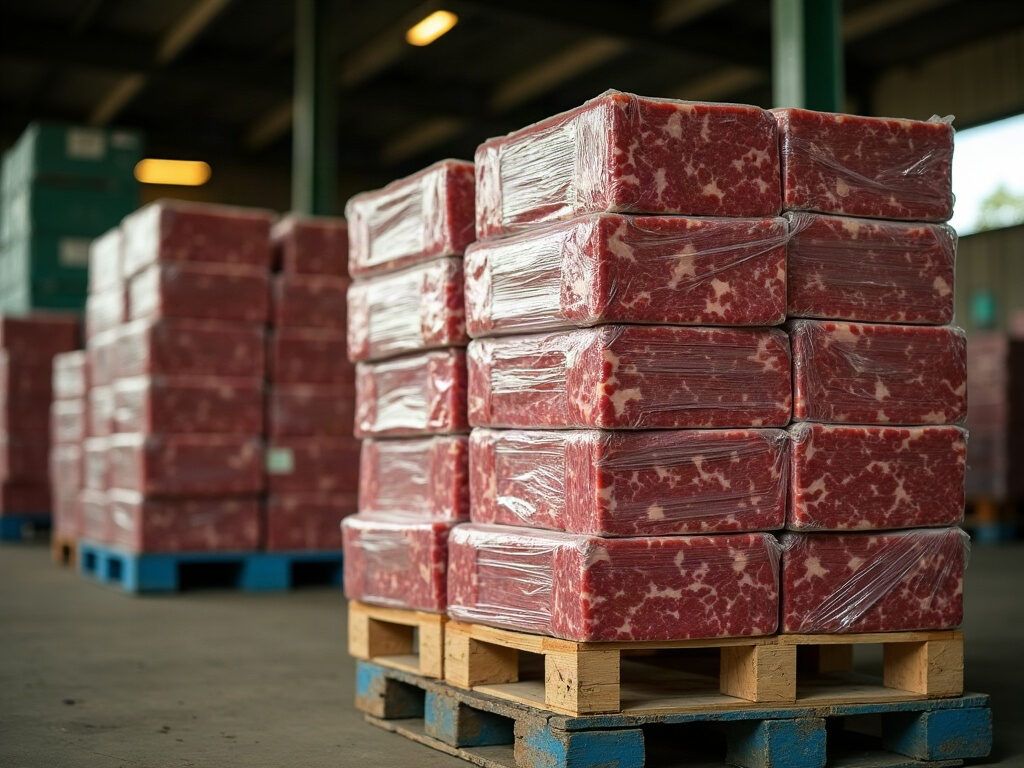
Export week puts extra pressure on pasture cattle, the butcher counter and the cold room, so SA farm editorial teams work for fewer messy mornings.
Export Week is our note on the moving parts behind export-ready beef and protein programmes, from specification checks and carton marks to destination paperwork and dispatch order.
These notes stay close to export handling, not sales talk. We write from the pressure points that show up around OR Tambo, cold-store cut-off times, carton marking and destination paperwork in South African dispatch weeks.
Export checks before dispatch
- Destination and flight window recorded
- Carton mark photo kept from the cold room
- Exact cut spec linked to the shipment
- Consignee and buyer names written correctly
Then match this note with the product specification and packing detail. Export Week focuses on dispatch control, carton identity and paperwork order, while the range pages cover cuts, formats and pack weights.
Where Export Week gets tested
Export Week brings together the handling details that matter when product is moving for export kitchens and shipment schedules. It helps teams line up cuts, cartons, labels and cold-chain checks before freight starts stacking up. Use it as a working note for the busier dispatch days.
An export week starts with the order build, the carton count and the receiving rule at the other end. Johannesburg freight timing, Durban humidity, Cape Town storage pressure and regional buyer windows all change how product must be packed and staged. We keep those operating conditions visible because missed checks usually happen before loading, not after.
Keep the first completed carton aside for review before the stack grows. That one check can catch label position, count errors, loose liners or the wrong cut description while the team can still correct it without reopening half the room.
Working papers for busy dispatch
The useful output is a dispatch note that names the cut, pack format, count and destination in plain terms. Teams also need a short sequence for labels, seals, cold-room release and loading order so the urgent fill-in job does not get mixed into the standing weekly programme.
Read Export Week alongside the sector and product pages before widening an order into multiple destinations. Before product leaves the room, check the label print, carton total and holding temperature again. If you need to flag a live export issue, use the contact form and note the current shipment setup.
- Programme split by destination and cut list
- First export carton checked before stacking
- Paper trail kept with each dispatch batch
South African export pressure points
We plan for OR Tambo export weeks, cold-store cut-offs, older prep rooms, and buying windows at regional retail and hospitality sites. We do not act as if every kitchen or butcher shop is starting from scratch. If your operation is already moving volume, say so. Keep the urgent fill-in order separate from the standing weekly programme.
OR Tambo cut-offs can compress prep and loading into a narrow window. Coastal moisture affects cartons differently from inland storage, and power disruption changes when teams can portion, label and hold product safely. Older prep rooms need stricter staging because congestion shows up fast once export freight starts queuing.
Operated by Astros Marketing (Pty) Ltd from 2 Makro Place, Sunnyrock 1401.
Notes to keep with the load
Export week puts extra pressure on pasture cattle, the butcher counter and the cold room, so SA farm editorial teams work for fewer messy mornings.
File this note with the order summary, carton marks and product spec for the export load. When a buyer asks for backup, the pack format, destination detail and dispatch checks are in one place.