
Notes
Dust Wipes
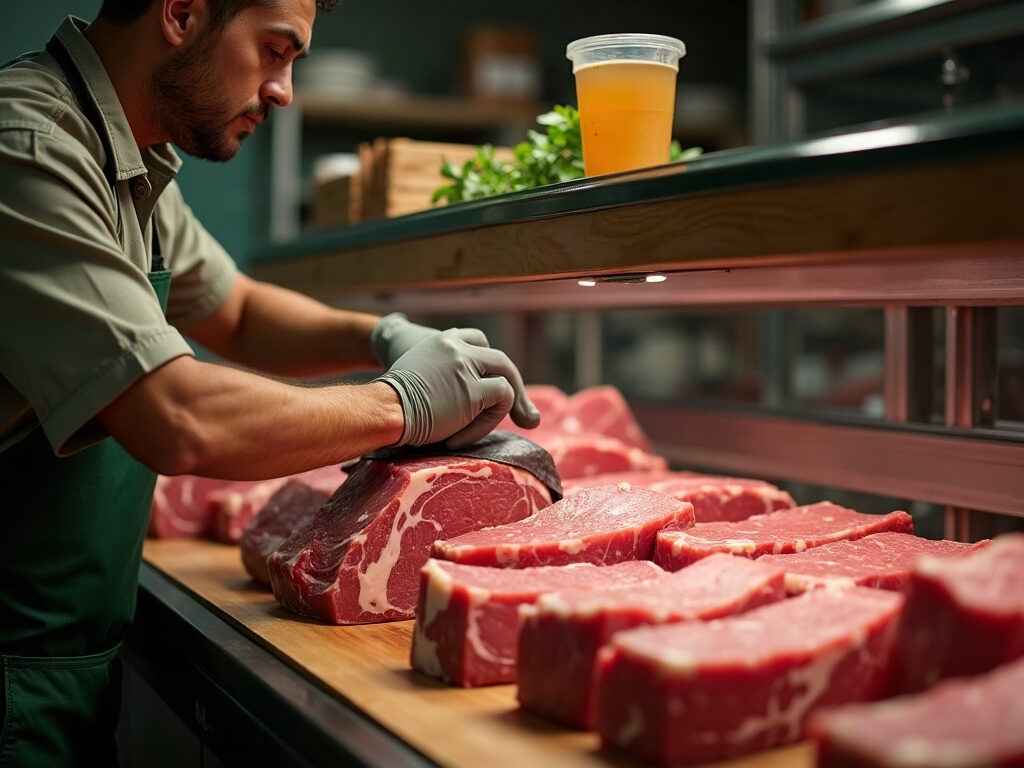
Dust wipes make a practical difference to pasture cattle, butcher counter and cold room routines for SA farm editorial teams that prefer fewer messy mornings.
Clean handling matters from loading bay to prep bench. Dust Wipes is our note on keeping outer cartons, cold-room touchpoints and receiving areas cleaner around boxed beef and protein deliveries.
On beef deliveries, dust usually shows first on outer cartons, door handles and shelf edges around the cold room, especially after dry inland transport.
Dust points on boxed beef
- Loading bay handles checked first
- One photo of carton dust build-up
- Exact pack type named on the note
- Site contact named for receiving shift
Dust Wipes covers where light residue gathers during receiving, storage and counter setup.
How Dust Wipes matters across the week
Dust Wipes deals with surface dust and light settling that can show up around counters, prep areas and packed product. It gives teams a simple reference for cleaning touches that protect presentation without disrupting service. This note is useful where display standards matter as much as the cut itself.
Start with the entry points where hands and cartons meet most often. In Johannesburg and Pretoria, dry roadside dust can settle on outer cases before stock reaches the cold room, while Durban and Cape Town sites tend to watch for mixed moisture and grime around doors and trolleys. Load-shedding also changes when teams wipe, receive and move protein into storage.
Take the first receiving image before cartons are broken down. A simple wipe check near the bay, the cold-room latch and the prep bench often shows whether dust is transport-related or coming from the room itself. That record helps when the same issue appears across several deliveries.
Checks your team can keep
Use this note to pin down the few wipe points that affect presentation and handling most. Typical checks include carton tops, dolly handles, cold-room push plates and the bench edge where boxed beef is first opened. Short routines are easier to keep during a busy butcher morning or hotel receiving slot.
Match Dust Wipes with the linked sector and note pages before changing a wider handling routine. Before any consignment moves deeper into storage, check the labels, outer case condition and the surfaces that will be touched during breakdown. When you write in, say what wipe stock you hold at the receiving area.
- Wipe points matched to your receiving route
- First dust check logged with photos
- Restock count for wipes and liners
South African dust and handling
This note must work for export kitchens, hotel stores and butcher counters that receive in different conditions. OR Tambo dispatch periods, older cold rooms, open loading bays and mixed urban traffic all affect how much residue lands on outer packaging before breakdown. Keep once-off clean-ups separate from the standing receiving routine so staff can spot repeat causes.
Coastal air changes how wipes hold moisture in the room. Inland dust means dry settling on ledges, case tops and touchpoints can show up faster, especially after truck unloading. Power cuts then compress prep time, so wipe stock needs to be close to receiving and not buried in general cleaning stores.
Operated by Astros Marketing (Pty) Ltd from 2 Makro Place, Sunnyrock 1401.
Dust Wipes filing and stock card
Dust wipes make a practical difference to pasture cattle, butcher counter and cold room routines for SA farm editorial teams that prefer fewer messy mornings.
File this note with the delivery record on the same day where possible. It helps to keep the wipe brand, cloth type, storage point and usage check on one sheet next to the order summary for boxed beef and other protein lines. Buyers and supervisors can then trace whether the issue sat with transport dust, storage dust or handling around the bench.