
Notes
Demo Day
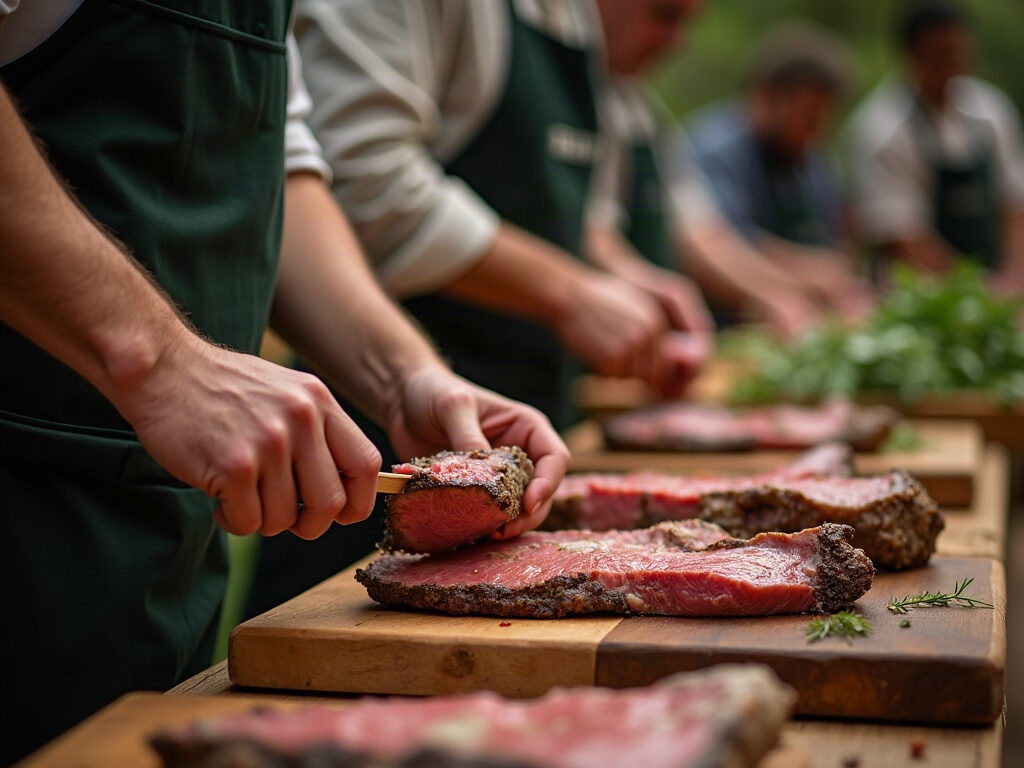
Demo day puts pasture cattle, the butcher counter and the cold room in full view for SA farm editorial teams trying to keep mornings less messy.
Seeing cuts in person changes buying decisions. Demo Day is our note for butcher counters, chef teams and trade buyers who want a practical product walk-through on carcass balance, portioning and menu use.
Demo Day is written for teams that need to see beef worked, not merely listed on a spec sheet. On these mornings we focus on cuts on the table, trim in the tray, and the questions that come up between the cold room and the counter.
Before the knives come out
- Venue, date and start time fixed
- Sample cuts chilled and labelled clearly
- Required programme or cut list printed
- Buyer, chef or butcher names noted
Read this note alongside the relevant beef line and programme page. Demo Day covers the worked product in hand, while the range pages deal with cut options, pack style and trade fit. Together they help teams compare what looks good on paper with what actually suits service or display.
How Demo Day lands in a live trading week
Demo Day focuses on what to prepare when buyers, chefs or store teams need to see the product worked in person. It covers the practical side of sample flow, handling and presentation for Beefy Africa programmes. Use it when a tasting bench or cutting table needs to answer real trade questions.
Start with who is attending and what they need to inspect. A hotel chef may want yield and plate use, while a retail butcher will look harder at fat cover, trim and case presentation. Johannesburg, Durban and Cape Town each bring different receiving patterns, storage pressures and trading rhythms to the same table.
Keep the first bench setup tidy and visible. Product labels, outer cartons and cut faces should be easy to check before portioning begins, especially when buyers want to compare formats. A simple handling sheet near the table helps staff move samples back to the cold room correctly once the session ends.
What the team should leave with
A good Demo Day ends with clearer buying language and fewer assumptions about the cut. Teams should leave knowing which items fit the menu, which belong in the counter, and which need a different pack or weight band. Notes taken during the session matter more than polished talk around the table.
After the session, match Demo Day back to the most relevant trade pages and product notes before broadening the request. Check labels, pack condition and count again before anything is sent on or stored. Tell us the cuts, the weekly volumes and the receiving hours at your kitchen or butchery.
- Cuts matched to the attending trade team
- Bench layout checked before product handling
- Questions recorded during the live walk-through
Trade conditions that shape the session
South African trading conditions affect how Demo Day should be set up. OR Tambo export movements, cold-store booking windows, older prep rooms and retail receiving cut-offs all change how much product can be shown and held safely. Separate urgent cover stock from standing programme discussions so the session stays useful.
Coastal humidity can shorten the time product should sit exposed on a tasting or cutting bench. Inland sites may deal with dust, stricter covering routines and different cleaning intervals around prep areas. Load-shedding also changes when teams can portion, vacuum, chill and present samples without compromising the demonstration.
Operated by Astros Marketing (Pty) Ltd from 2 Makro Place, Sunnyrock 1401.
Demo Day paperwork and bench notes
Demo day puts pasture cattle, the butcher counter and the cold room in full view for SA farm editorial teams trying to keep mornings less messy.
File the stock note, delivery detail and any tasting or cutting observations while the session is still fresh. When a buyer asks for backup later, it helps to have the order summary, product spec and Demo Day notes kept together against the same product discussion.