
Notes
Cut Off Habits
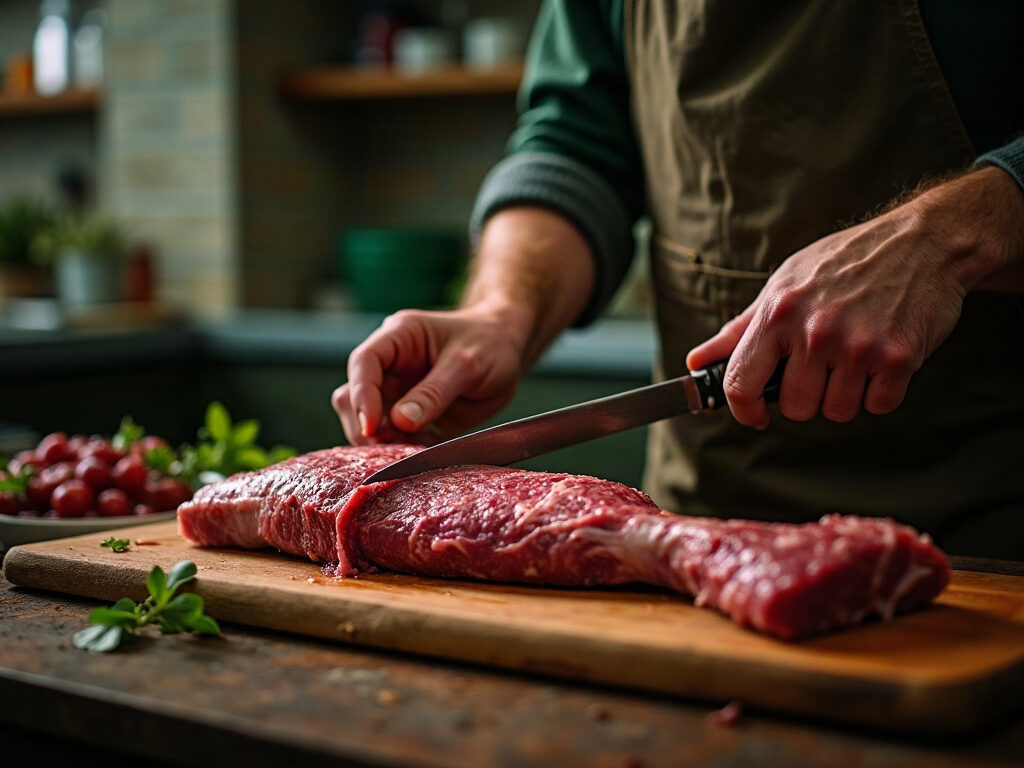
Cut-off habits shape how pasture cattle, the butcher counter and the cold room move through SA farm editorial routines for teams that want fewer messy mornings.
Missed cut-off times affect slaughter plans, packing windows and kitchen prep. Cut Off Habits is our note for teams who want order timing, dispatch timing and receiving timing written properly from the start.
Cut Off Habits is about the moments when a trim line slips, a crate arrives late, or the cold room receives meat without the right note attached. On beef sites across Gauteng, KwaZulu-Natal, and the Western Cape, those small misses turn into uneven portions and stock queries by midday. Use the contact form if your team wants this note tied to a current handling issue.
Misses that start at trim table
- Fat cap left too thick
- Photo taken before rebagging or stacking
- Cut code matched to the tray label
- Receiver name written on the sheet
Read this note beside the relevant cut spec and pack format, not on its own. The point is to spot where habit changes yield, label accuracy, and receiving order in the same chain.
How Cut Off Habits plays out in a normal week
Cut Off Habits looks at the small trimming and handling routines that change yield, shelf appeal and packing consistency. It is written for teams working on butcher counters and in prep rooms where repeated habits shape the result. Use this note to tighten the cut standard before it becomes a stock problem.
Begin with where the cut is touched most often: slaughter planning, breakdown, packing, dispatch, then handover at site. A Highveld route with early loading behaves differently from a humid coastal handover where boxes wait longer at the door. Johannesburg, Durban, and Cape Town teams each need their own cut-off discipline written plainly.
First receiving checks matter because many stock disputes start after product has been opened, moved, or repacked. Keep one page in the cold room with delivery time, carton count, temperature reading, and any trim issue seen on arrival. That record helps the butcher counter and kitchen prep room speak from the same facts.
What to tighten
The useful outcome is not more paper. It is fewer mixed labels, fewer rushed trims before service, and fewer cartons standing around while staff ask what was meant to happen. Clear cut-off habits keep stock rotation and portion consistency from drifting over the week.
Pair Cut Off Habits with the closest journal note that covers your current trade setting, then inspect labels and pack condition before product is put away. Tell us the cuts, the weekly volumes and the receiving hours at your kitchen or butchery.
- Trim standard suited to your counter
- Receiving check recorded at first handover
- Written notes kept with the load
South African cut-off pressure points
This subject sits inside South African trading conditions where abattoir slots, regional dispatch runs, and OR Tambo export timing can all tighten the day. Older cold rooms, shared vehicles, and split receiving teams create extra chances for the wrong habit to repeat. Separate a standing weekly programme from an urgent top-up order so the cut standard does not get muddled.
Humidity on the coast changes carton handling and how quickly condensation starts after doors open. Inland power cuts can push trimming and packing into narrower windows, especially where backup capacity is limited. Dust, traffic delays, and late sign-off at gatehouses all shape when product can be checked properly.
Operated by Astros Marketing (Pty) Ltd from 2 Makro Place, Sunnyrock 1401.
Use it during handover checks
Cut-off habits shape how pasture cattle, the butcher counter and the cold room move through SA farm editorial routines for teams that want fewer messy mornings.
File this note with the day sheet, product spec, and delivery record while details are still fresh. It works best when the buyer, receiver, butcher, and prep lead can all trace the same cut from dispatch to storage without guessing what changed.