
Notes
Courier Notes
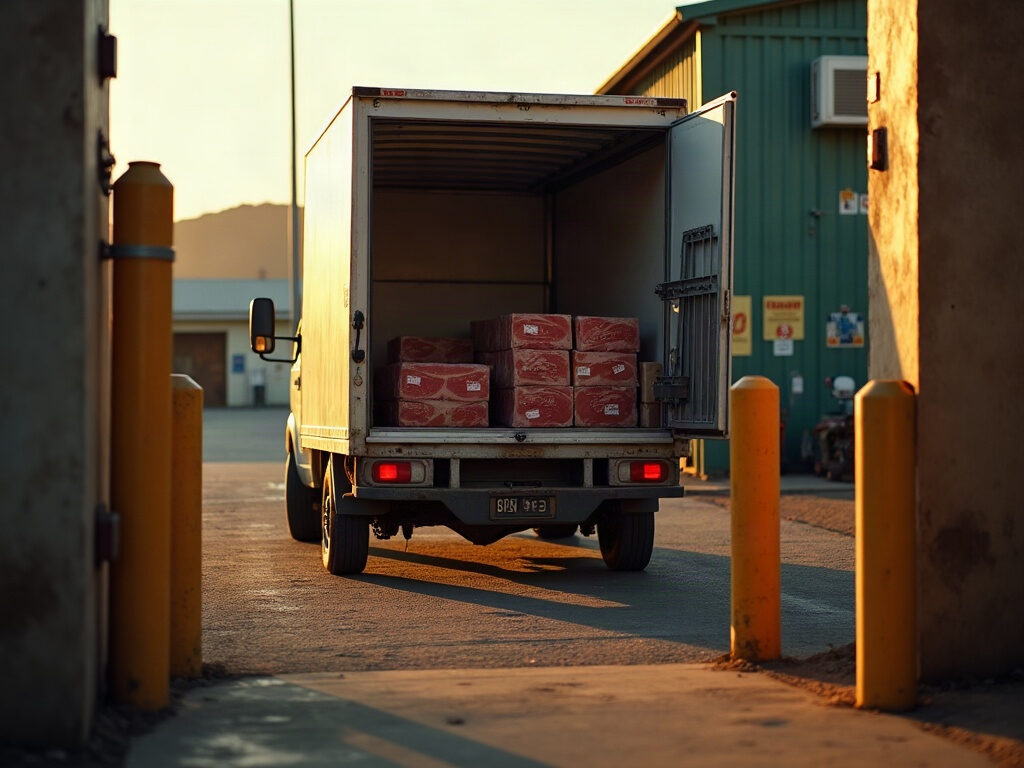
Courier notes matter when pasture cattle, the butcher counter and the cold room need to line up for SA farm editorial teams chasing fewer messy mornings in warm light.
A courier job for chilled or frozen protein needs more than a pickup point. Courier Notes is our guide for box counts, temperature handling, cut descriptions and destination details that keep beef moving properly.
Courier Notes covers dispatch teams moving chilled and frozen beef between the cold room, the van and the receiving dock. We focus on carton counts, cut names, seal checks and destination details that matter on routes through Gauteng, KZN and the Western Cape.
Checks logged before dispatch
- Receiver name and time slot recorded
- Carton labels visible in one cold-room photo
- Cut code or programme named on paperwork
- Buyer title written exactly as supplied
Courier Notes sits alongside the product spec and order sheet, not in place of them. The note captures the handover facts for that load, while the range page covers the beef line, pack style and cut details.
How Courier Notes works during the week
Courier Notes sets out the checks that help meat travel cleanly through handover, route changes and final delivery. It is for teams sending beef and protein packs to butchers, hotels and kitchen buyers who need labels, seals and cartons to arrive in order. Keep it close when courier freight forms part of the programme.
Begin with the box mix, destination and receiving conditions at the butcher counter, hotel kitchen or export packing point. Johannesburg traffic, Durban humidity, Cape Town route changes and load-shedding all affect how protein should travel. Smaller regional drops also need clean instructions when chilled stock must arrive in selling order.
The first receiving image matters because it shows carton condition, label placement and whether seals stayed intact in transit. Many teams keep the note printed near the cold room door or saved with the purchase order for quick checking. That helps when stock lands just before prep starts or before a buyer signs off the count.
What the note leaves behind
The finished note gives one working record of the route, the product description and the count handed over to the courier. It should read clearly enough for dispatch, receiving and accounts to follow the same load without guessing. For meat trade teams, one accurate document is worth more than extra commentary around the order.
Match Courier Notes with the relevant sector page and the order record before adding extra stops or mixed products. Just before collection, check labels, carton totals and pack condition again against the sheet in hand. Tell us the cuts, the weekly volumes and the receiving hours at your kitchen or butchery.
- Route matched to your actual delivery trade
- Arrival condition photographed at first handover
- One record shared with buyer and dispatch
SA handling points that matter
Courier Notes must account for OR Tambo export traffic, cold-store booking times and receiving windows at retail and hospitality sites. Some kitchens can take stock only after service prep, while some butcheries want cartons checked before the counter opens. Keep a once-off urgent top-up separate from the standing weekly movement so counts do not get mixed.
Coastal air can affect outer cartons and how quickly product must be moved into the cold room after delivery. Inland heat and dust change loading discipline, especially where vehicles wait outside longer than planned. Power cuts also affect portioning times, freezer access and the order in which cartons should leave dispatch.
Operated by Astros Marketing (Pty) Ltd from 2 Makro Place, Sunnyrock 1401.
Documents to pair with this note
Courier notes matter when pasture cattle, the butcher counter and the cold room need to line up for SA farm editorial teams chasing fewer messy mornings in warm light.
File Courier Notes with the stock sheet and dispatch record after the load leaves. Keep the order summary and cut specification together for buyers, receiving clerks, or export kitchen audits that need carton counts, pack dates, and destination detail.