
Notes
Coastal Care
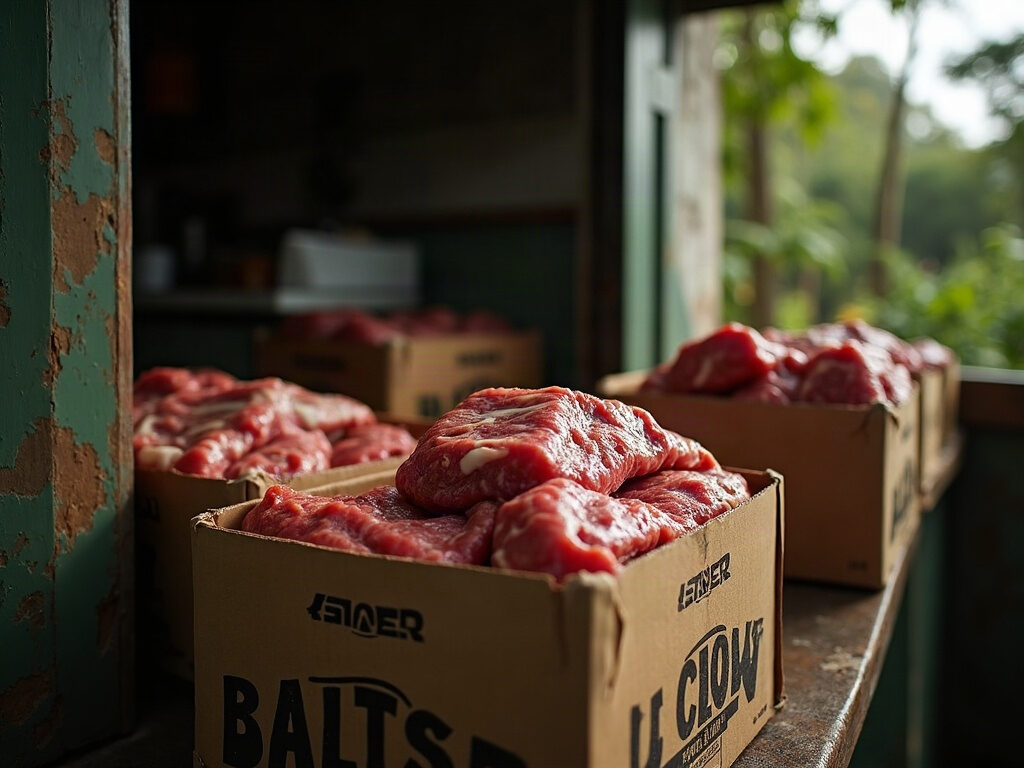
Coastal care changes the way pasture cattle, the butcher counter and the cold room are handled by SA farm editorial teams looking for fewer messy mornings.
Coastal air changes how protein is stored, moved and presented. Coastal Care is our note for buyers and kitchen teams managing chilled beef near the coast, where salt, humidity and travel timing all matter.
Coastal Care is written for chilled beef moving through Durban, Cape Town and other sea-facing receiving points where salt air and moisture affect pack condition. We focus on drip control, carton dryness, seal integrity and display colour rather than broad theory.
Coastal checks before dispatch
- Receiving site and offload hour noted
- One pack photo from arrival or storage
- Exact cut or pack format listed
- Buyer name and role written clearly
Coastal Care deals with humidity, travel timing and cold room handling near the sea.
How Coastal Care applies in a weekly protein run
Coastal Care covers the handling points that matter when beef moves through warm, salty air near the coast. It helps butcher counter and cold room teams protect colour, packaging and presentation from dispatch to display. Use it where sea air and moisture create extra work on South African trading floors.
Start with the protein mix, the route to site and the point where cartons are first opened. Sea air around Durban and Cape Town can soften outer board, encourage surface moisture and shorten the time product should stand outside refrigeration. Late receiving, traffic to port areas and load-shedding all change how a weekly protein run must be planned.
Take a photo at first receipt before cartons are split between counter, kitchen or cold room. Keep the handling card close to the chiller door so staff can check stack height, airflow and wipe-down routine during busy trade. That record is useful when colour shifts or packaging sweat shows up later in the day.
Useful outputs from this note
Your team gets a receiving order, a short inspection list and clearer wording for cuts and volumes in chilled coastal trade. It also helps separate transport issues from storage mistakes when packs lose presentation. One disciplined routine at handover matters more than extra paperwork nobody uses.
Link Coastal Care to the relevant sector note and one adjacent journal entry before expanding a wider handling brief. Before any vehicle leaves or any carton is opened, check labels, carton dryness and vacuum condition again. Tell us the cuts, the weekly volumes and the receiving hours at your kitchen or butchery.
- Handling note matched to coastal receiving
- Arrival condition recorded before unpacking
- Written follow-up kept with the order
Conditions that change coastal beef
Plan around harbour traffic, chiller door opening frequency, older cold rooms and receiving bays exposed to wet air. Export kitchens and hotel stores near the coast often need tighter timing between drop-off and shelving than inland sites. Keep emergency top-up orders separate from the standing weekly programme so handling errors are easier to trace.
Humidity near the coast changes how quickly cartons pick up moisture and how long vacuum-packed beef should stand during checks. Salt in the air can also affect metal fittings, shelving and the general condition of prep spaces if cleaning slips. Power interruptions matter because product may need to be portioned, wrapped and returned to cold storage in a different sequence.
Operated by Astros Marketing (Pty) Ltd from 2 Makro Place, Sunnyrock 1401.
Weekly use in coastal cold rooms
Coastal care changes the way pasture cattle, the butcher counter and the cold room are handled by SA farm editorial teams looking for fewer messy mornings.
File this note with the stock record, order summary and product spec so the receiving team can check temperatures, seal condition and cut codes together. For coastal sites, keep the sheet near the cold room log where humidity checks, drip observations and dispatch variances are recorded.