
Notes
Audit Trail
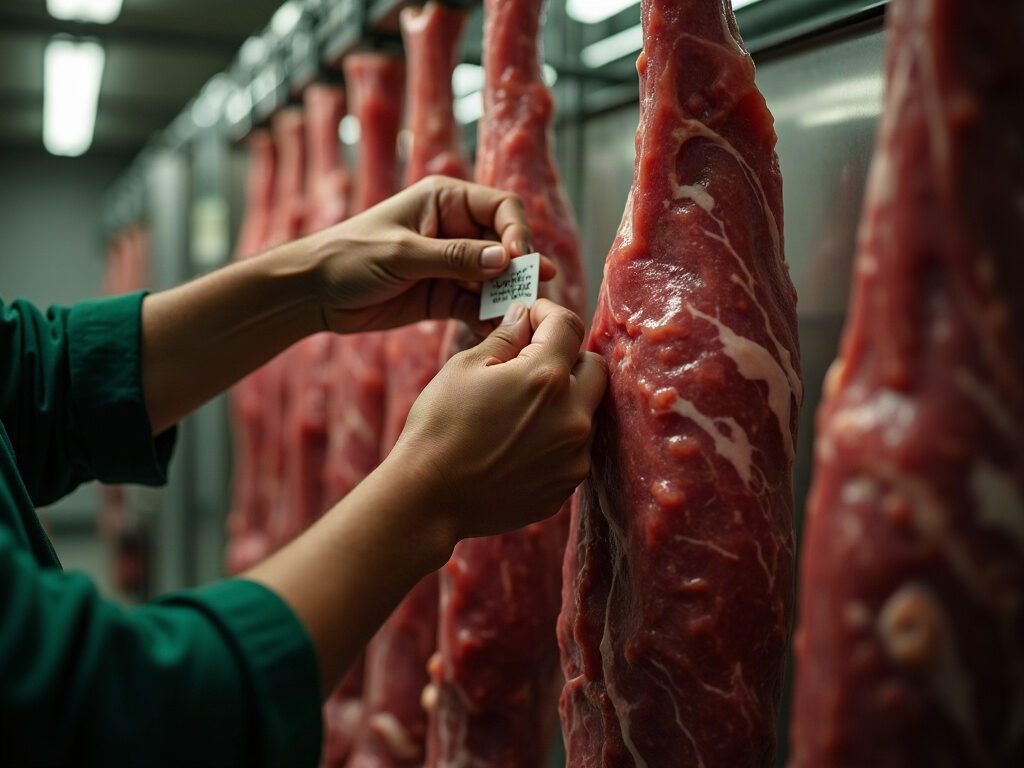
An audit trail brings order to pasture cattle, butcher counter and cold room tasks for SA farm editorial teams working towards fewer messy mornings.
Small misses in the beef trade usually become big delays by midday: an unlabelled carton photo, a purchase note with no cut detail, or a dispatch booked without weights or box count. Audit Trail is our note for butcheries, hotels and export kitchens that need cleaner handover on every load.
Audit Trail covers the paperwork that travels with beef. It focuses on carton labels, weight records, receiving photos, and handover notes used by teams in Gauteng, KwaZulu-Natal, and the Western Cape.
Checks before cartons move
- Receiving site and handover time logged
- Carton or crate photo taken before stacking
- Exact cut or programme named on record
- Buyer and checker named on the note
Audit Trail is about the evidence kept with the load: temperature logs, seal numbers, cut lists and the signatures at each handover. Cuts, pack styles and programme fit are set by the range itself.
How Audit Trail helps over a normal trade week
Audit Trail sets out the record-keeping needed when beef moves from pasture programme to cold room, butcher counter, or kitchen handover. It is written for South African buying and handling teams who need clean labels, clear checks, and fewer avoidable mix-ups on the floor. Use it when a buyer already knows the spec and needs the paperwork and crate trail to stay in order.
Begin with the line item, required weights, and who signs at receipt. Johannesburg traffic delays, Durban humidity, Cape Town cold-store timing, and power interruptions all change how records should be captured on the day. Smaller regional orders need the same discipline when one missing weight can stall invoicing or stock booking.
The first image matters most when stock lands at the cold room or counter. Take the label, seal, and box condition before anything is broken down for trimming, portioning, or kitchen issue. That single step usually settles later questions on count, date coding, and whether the right load arrived.
Records that stay useful
You leave with a handover record that names the cut, weight, box count and destination without guesswork. It gives buyers, dispatch staff and receiving teams one trail to follow from cold room to counter or kitchen. One checked record with the right crate marks matters more than a string of loose messages when stock is moving fast.
Use Audit Trail with the matching sector and journal pages when a process needs tightening across more than one site. Before collection or dispatch, recheck label wording, box count, and visible pack condition. Tell us the cuts, the weekly volumes and the receiving hours at your kitchen or butchery.
- Programme note tied to one receiving point
- Opening condition recorded before unpacking starts
- Named trail for buyer and receiver
Trade conditions that change records
South African handling patterns shape what must be written down. OR Tambo export movements, cold-store booking windows, and hotel receiving slots can all leave little room for fixing missing data later. Separate once-off top-up loads from standing programme volumes so counts and weights do not blur into one another.
Moist coastal air affects carton condition and label legibility, especially around cold rooms and loading bays. Inland dust and repeated power cuts influence when teams photograph, portion, and close boxes again. The note should reflect those working conditions so the record matches what happened on site.
Operated by Astros Marketing (Pty) Ltd from 2 Makro Place, Sunnyrock 1401.
Audit Trail filing routine
An audit trail brings order to pasture cattle, butcher counter and cold room tasks for SA farm editorial teams working towards fewer messy mornings.
File the delivery note, receiving images, and stock entry on the same day where possible. Keep this note with the purchase record and the cut specification when a chef, butcher, or buyer asks for proof of what was handed over. A complete trail is most useful when each document points to the same labels, counts, and dates.